

Crestron Installer
Crestron installer services for Palm Beach, Jupiter, Palm Beach Gardens, and West Palm Beach focused on smart home control, lighting, shades, audio, video, climate, networking, programming, and system commissioning for projects that need a cleaner, more dependable user experience.

Crestron installation should make the technology feel simpler, not more complicated
A Crestron project usually starts when the homeowner wants a serious control platform, is replacing an older system, is expanding into new rooms, or needs disconnected technology brought under one reliable interface. The real concern is whether the installer can think through how the house should behave every day, how controls should be laid out, what should happen when a scene is pressed, and how to avoid building a system that feels powerful on paper but frustrating in practice.
A well-planned Crestron project can bring lighting, shading, climate, distributed audio, video distribution, surveillance visibility, door access awareness, and room-by-room control into one organized environment. That sounds simple when people read it on a brochure, but the installation work behind it is where the result is won or lost. Device selection, rack organization, network readiness, keypad planning, processor choice, programming strategy, and commissioning all matter. Small shortcuts early in the process often create the exact issues homeowners end up hating later, including confusing button behavior, laggy control, poor scene logic, inconsistent naming, or technology that works differently from room to room.
A strong Crestron installation has to address more than luxury branding. The real value is usability, predictability, and long-term ownership. Some homes are a good fit for a cleaner Crestron Home deployment centered on intuitive daily control. Others need deeper customization, broader subsystem coordination, or a more tailored programming approach because the property, expectations, or integration scope is more demanding.
PBCAV plans the service around that decision-making process. Instead of leading with product jargon, the work starts with real routines, architectural constraints, device compatibility, infrastructure, interface design, and clean operation from the first walkthrough to final handoff. That gives homeowners a clearer path to a Crestron system that feels organized, dependable, and easier to live with.
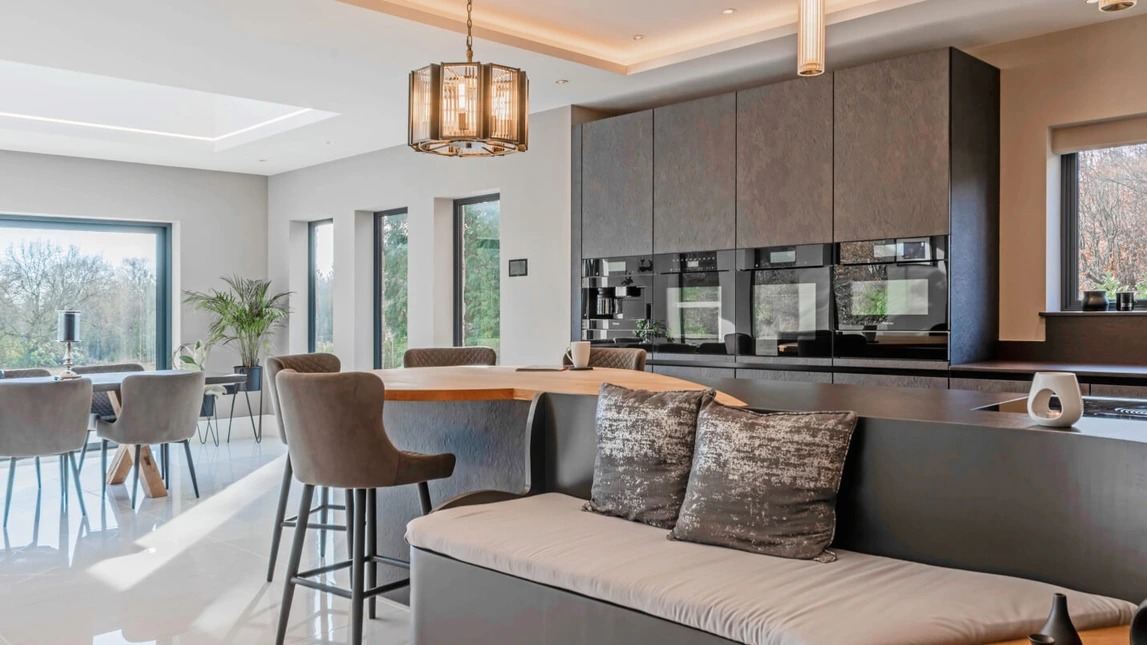
Whole-home control starts with system architecture, not just device lists
Crestron projects usually become stronger when the control plan is built around how the home actually functions. That means looking at lighting loads, shades, thermostats, televisions, audio zones, network infrastructure, touchpanel locations, remote use, and room scenes as one coordinated system instead of a stack of unrelated products. When the architecture is right, the finished system feels more natural to use and easier to grow over time.
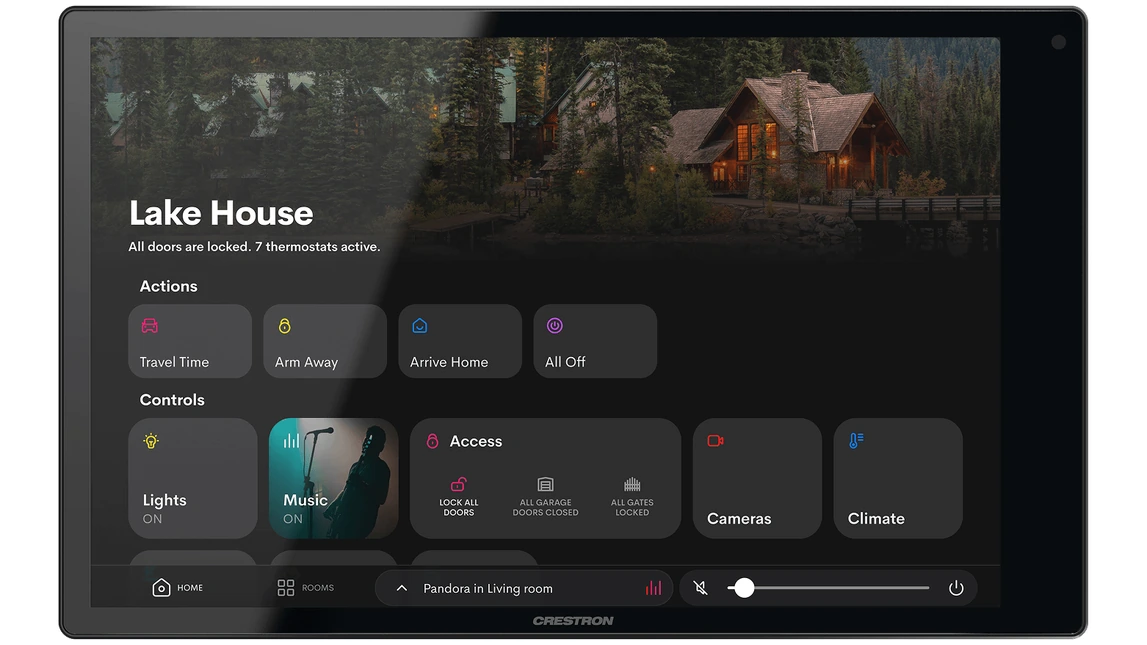
Programming and commissioning matter as much as the hardware
Many Crestron projects are really about avoiding a system that technically works but never feels finished. Good programming logic, sensible naming, scene refinement, button mapping, room behavior, and final commissioning make the difference between impressive equipment and an experience people actually enjoy using every day. The project should be tuned after installation, not treated as complete the moment devices come online.
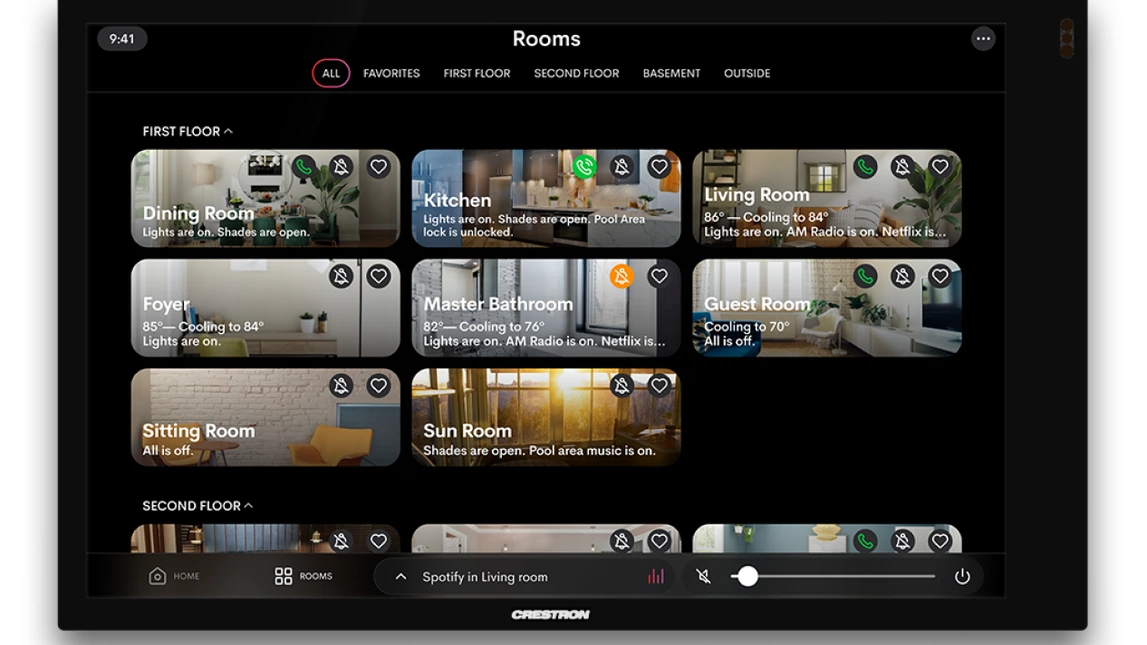
The best Crestron projects are planned for ownership, not just launch day
A strong installation plan considers service access, rack layout, labeling, firmware management, future expansion, device replacement, and how easily the system can be understood years later. That is especially important in larger homes where lighting, shading, entertainment, and environmental control all intersect. The more thoughtfully the system is documented and organized, the more dependable it tends to be after move-in and long after the initial excitement of the project fades.
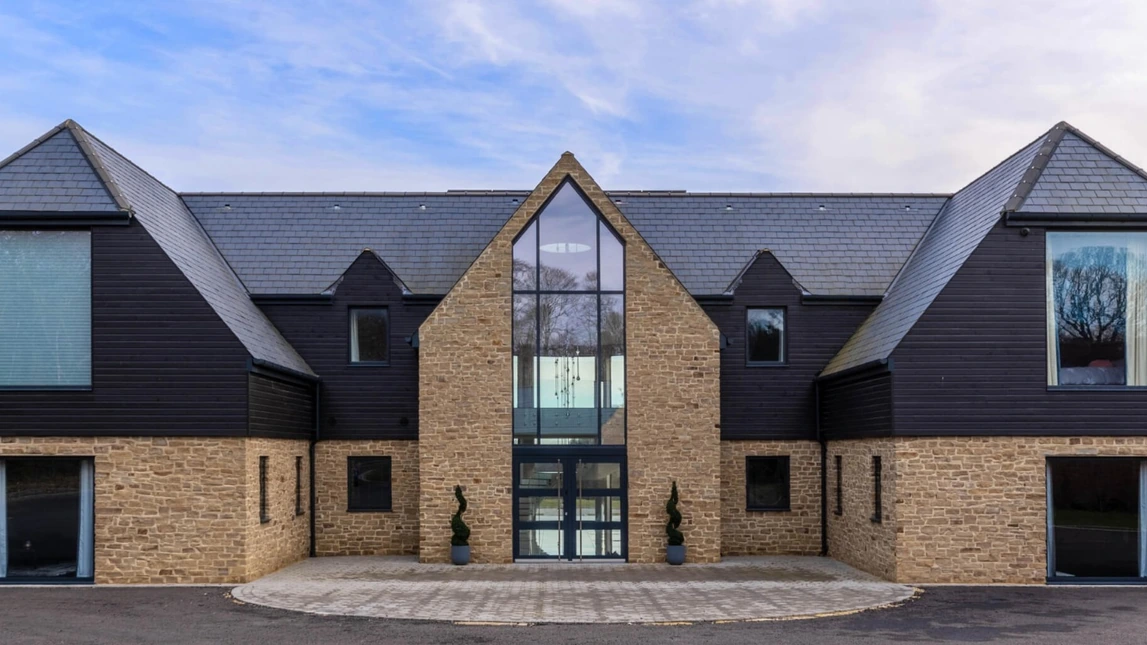
Retrofit and new-construction projects need different installation decisions
Some homes allow the system to be built from framing forward, while others require careful retrofit planning around finished walls, existing equipment, coverage gaps, and homeowner routines that cannot be interrupted for long. The installer should be able to evaluate both situations honestly and recommend a path that protects performance without pushing unnecessary complexity. That practical guidance helps homeowners understand whether a retrofit, new-construction build, system cleanup, or phased upgrade is the right path.
Where Crestron installation value becomes obvious
Lighting, shades, and scene control that feel coordinated
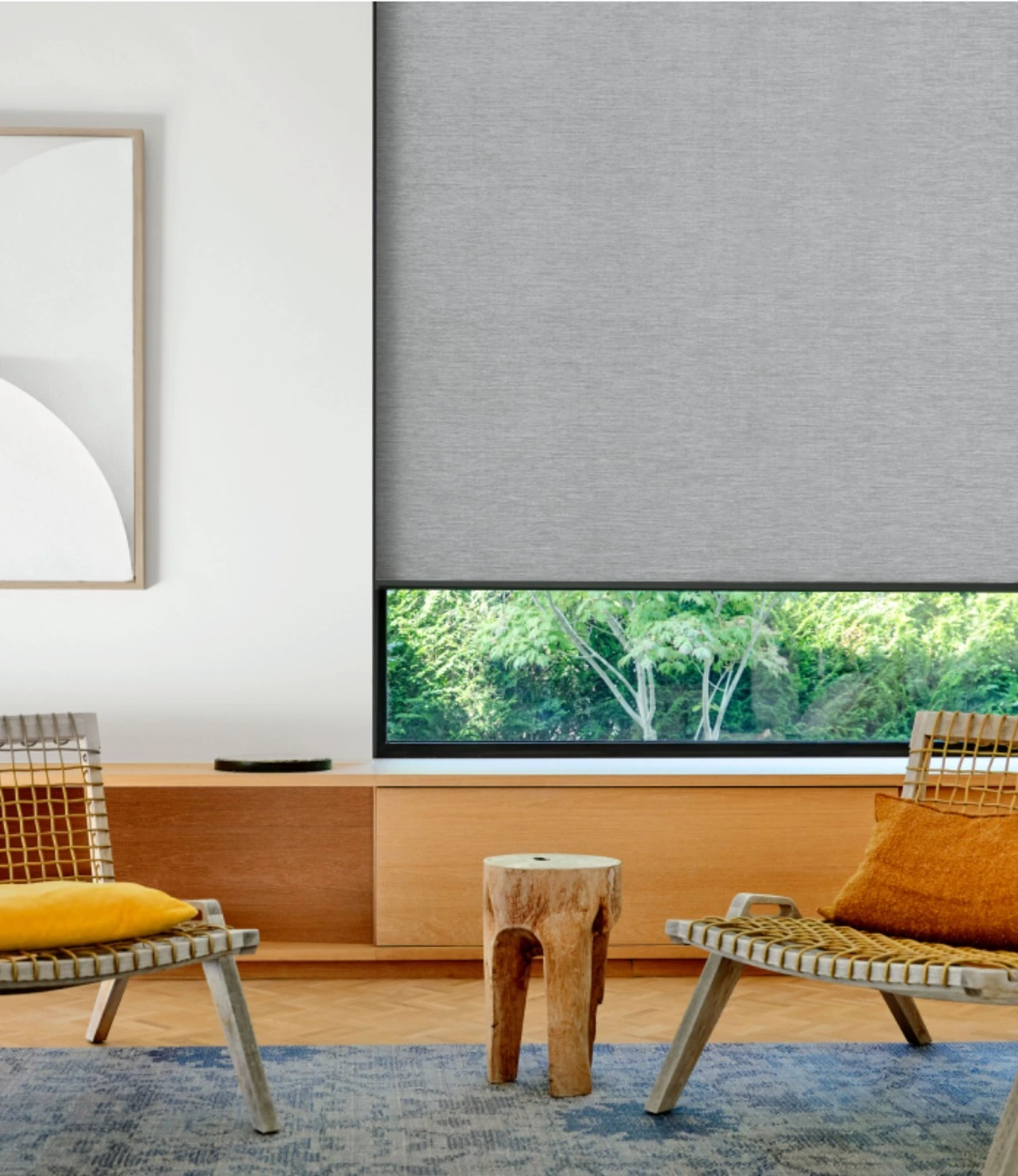
Crestron becomes especially compelling when the system is not limited to one category of technology. Lighting scenes, shade movement, occupancy-based behavior, evening settings, privacy adjustments, and room-by-room ambiance can all be planned together instead of managed through separate apps and unrelated hardware. The benefit is not just convenience. It is consistency and less friction throughout the day:
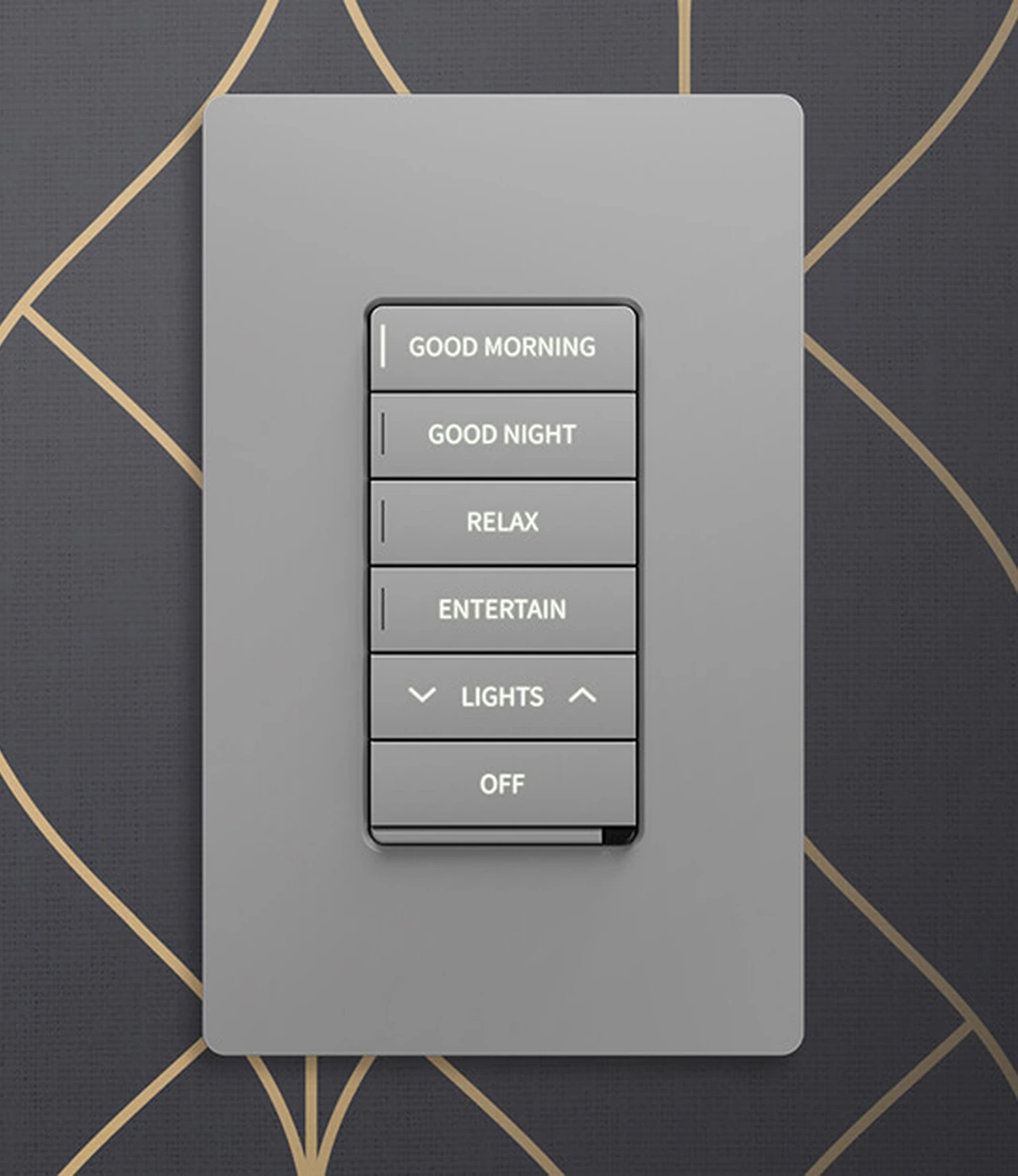
- Scenes can be structured around routines such as arrival, entertaining, dining, bedtime, and away settings.
- Keypads and touch interfaces can be labeled around natural actions rather than technical device names.
- Lighting and shades can be coordinated to reduce glare, improve comfort, and support the way rooms are actually used.
- Climate and environmental settings can be made easier to access inside the same control experience.
- The home feels more unified because room behavior is intentional rather than pieced together over time.
Audio and video control that reduces daily friction
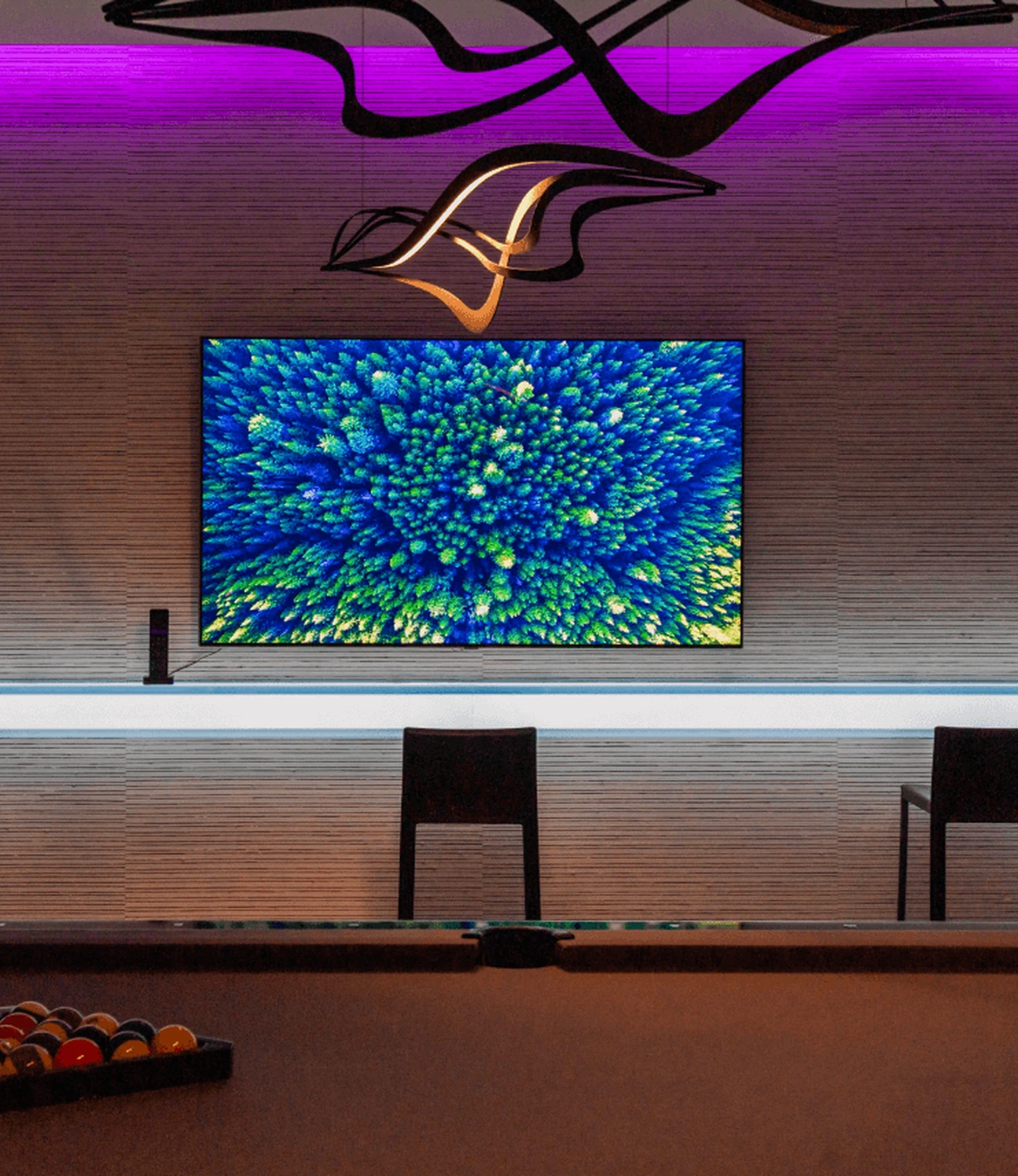
Crestron is especially useful when entertainment spaces need to behave more predictably. They do not want a stack of remotes, mismatched control methods, or family members guessing which app controls which room. The system should make room use faster and less confusing from the start:
- Televisions, distributed audio, media rooms, and shared living spaces can be brought into a more unified control flow.
- Room presets can simplify common actions such as watching TV, listening to music, or powering the room down at night.
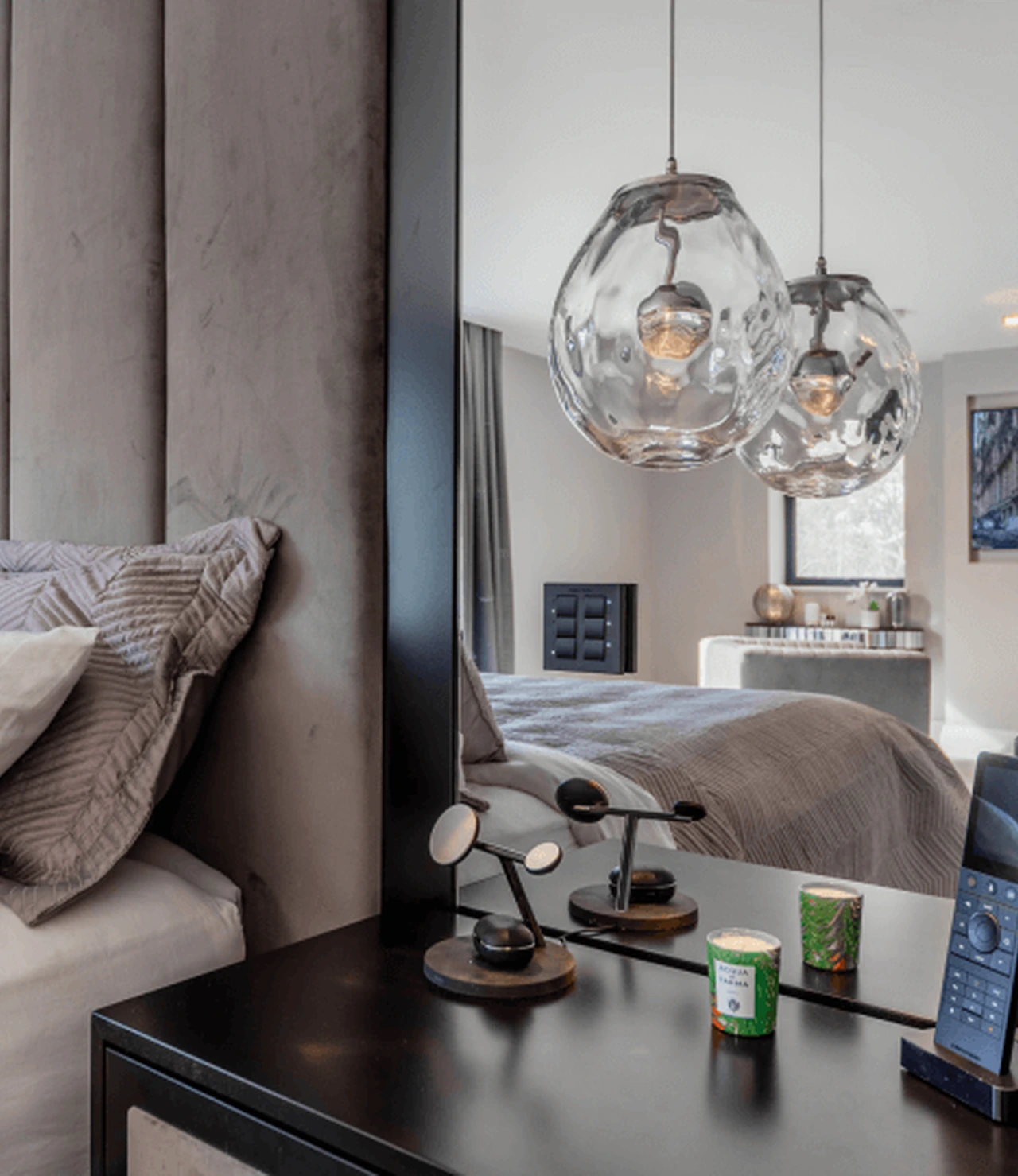
- Touchpanels, remotes, and mobile control can be organized around the same logic so the system feels familiar everywhere.
- Equipment racks and signal distribution can be planned with service access and reliability in mind.
- The homeowner gets a cleaner ownership experience instead of a collection of partially integrated devices.
Programming strategy for homes that need more than a basic setup
Not every Crestron job is the same. Some properties need a relatively direct platform deployment, while others need more detailed logic, conditional behavior, broader subsystem coordination, or a custom interface strategy. This is where installation planning becomes more than an equipment exercise:
- Projects can be evaluated around routine complexity, room count, lifestyle patterns, and integration depth.
- Scene design can be refined to avoid cluttered controls and overlapping actions.
- Processor, keypad, and interface choices can be matched to the way the house is meant to operate.
- Large or architecturally complex homes can be organized so the system still feels intuitive.
- Final commissioning can focus on real-world use instead of stopping at a technical pass/fail checklist.
Serviceability, upgrades, and long-term confidence
Crestron homeowners are rarely thinking only about installation day. They want to know that the system can be maintained, adjusted, expanded, and understood later:
- Rack organization, labeling, and documentation support smoother service later.
- Device replacement and system expansion become easier when the original plan is structured well.
- Retrofit updates can be approached more intelligently when the existing system is reviewed properly first.
- Homeowners gain more confidence when handoff includes refinement instead of a rushed walkthrough.
- The end result is a system that feels cared for, not abandoned after install day.
Crestron projects need the network, power, and hardware strategy to match
Many control problems blamed on the platform are actually planning problems underneath it. Weak network design, unclear device ownership, overloaded racks, poor ventilation, scattered control methods, and messy subsystem coordination can all degrade the experience. A better installation approach treats the control layer, physical infrastructure, and day-to-day user flow as one system so the finished result feels stable and deliberate.
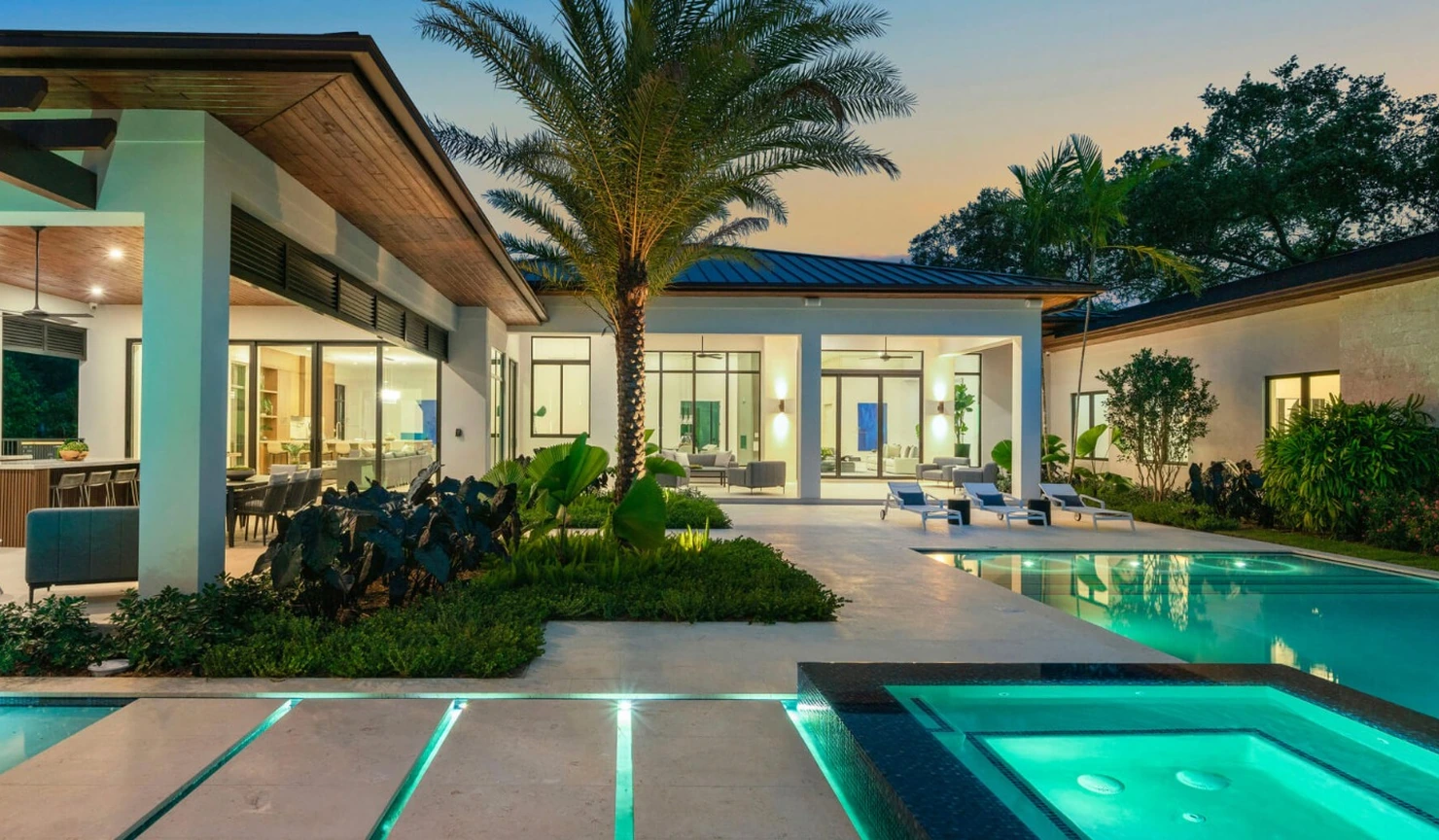
How PBCAV approaches a Crestron installation project

Crestron Installation Project Planning And Execution
A strong Crestron installation begins well before devices are mounted and programming is loaded. The best results come from understanding how the home is used, which rooms matter most, where control should feel simple, and how lighting, shades, climate, audio, video, and security should work together as one system. The goal is not simply to install Crestron hardware. It is to build a control experience that feels organized, reliable, intuitive, and ready to support the home long after the initial project is complete.
What homeowners are usually trying to solve
- Too many apps, remotes, and disconnected control methods.
- Lighting, shades, and entertainment that do not work together cleanly.
- An older smart home system that feels dated or inconsistent.
- New construction needing control planning before trim-out and final finish work.
- Retrofit projects that need modernization without unnecessary disruption.
- Poor scene logic or confusing keypad behavior in an existing setup.
- A desire for a more refined day-to-day user experience across the home.
What a better installation plan should include
- Discovery around room use, daily routines, and homeowner priorities.
- Control strategy for lighting, shades, climate, audio, video, and interfaces.
- Processor, keypad, touchpanel, and equipment planning that fits the property.
- Network and infrastructure review before control expectations are finalized.
- Programming and commissioning focused on behavior, not just connectivity.
- Clean rack organization, labeling, and service access for future support.
- Thoughtful handoff so the system feels finished when the client starts using it.


Crestron systems feel strongest when the control experience is intentional
The value of a premium control platform shows up in the small things homeowners notice every day: cleaner scenes, faster room transitions, more predictable responses, better coordination between subsystems, and less confusion for everyone using the home.
Common questions about Crestron installation
These are some of the questions that usually come up when homeowners are comparing system design, installation quality, programming, upgrade paths, and long-term support.
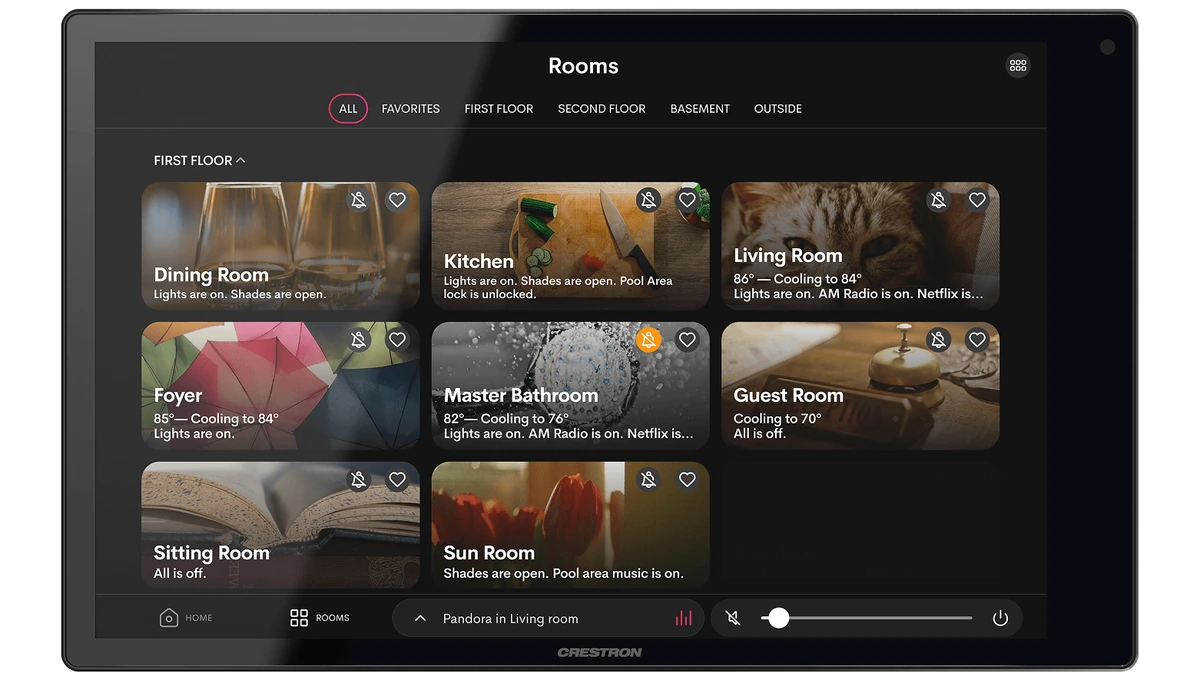
Crestron Installer
Build the control system around the way the home is actually used
A better result starts with discovery, infrastructure review, subsystem planning, interface decisions, and programming logic that match the property instead of forcing the property to fit a generic template. PBCAV can help shape the project into a more organized and more usable Crestron experience.