

Rented Homes, Eighties Stock Audio Video | Home Theater Installations Serving Fort Pierce, FL
The building you are in decides the method in Fort Pierce, where detached houses are 45.4% of the stock, 51% of occupied homes are rented, and the median home dates from the 1980s.
Optimize Your Audio, Video, and Security with Advanced Technology Solutions
Explore top-tier solutions for homes, cars, trucks, and boats, ranging from high-fidelity audio systems to smart security technology, designed to enhance your daily living and entertainment experience.
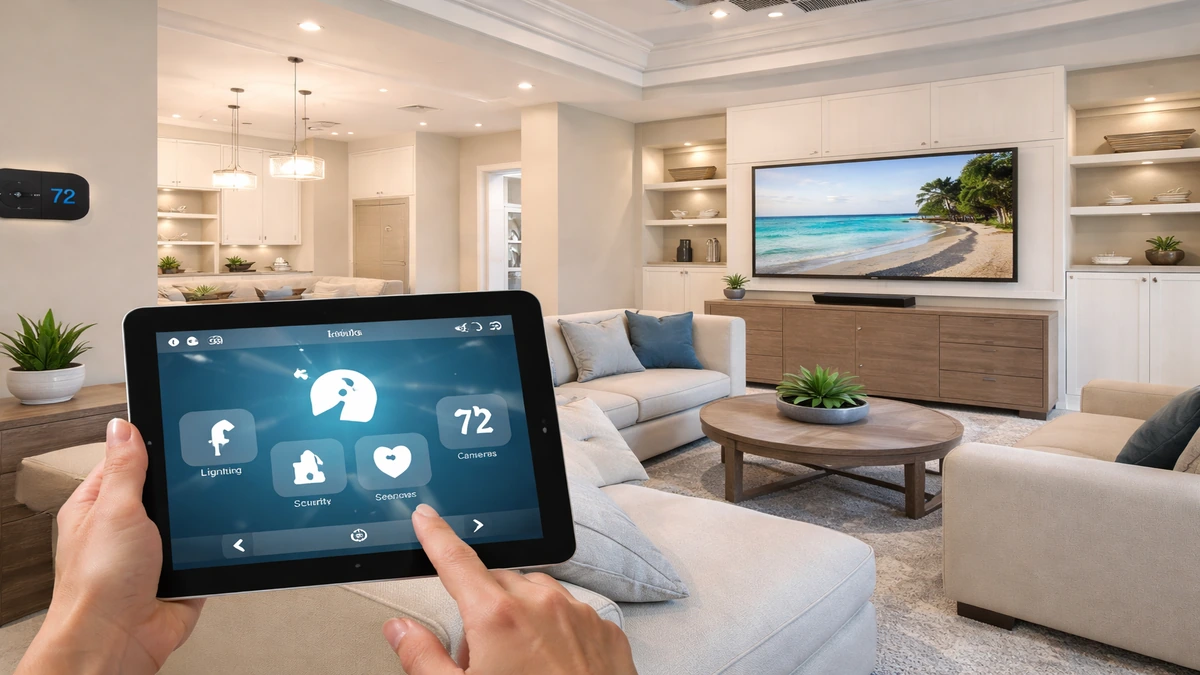
Smart Home Automation Installation
Integrated control for lighting, climate, security, and entertainment.
4 minutes
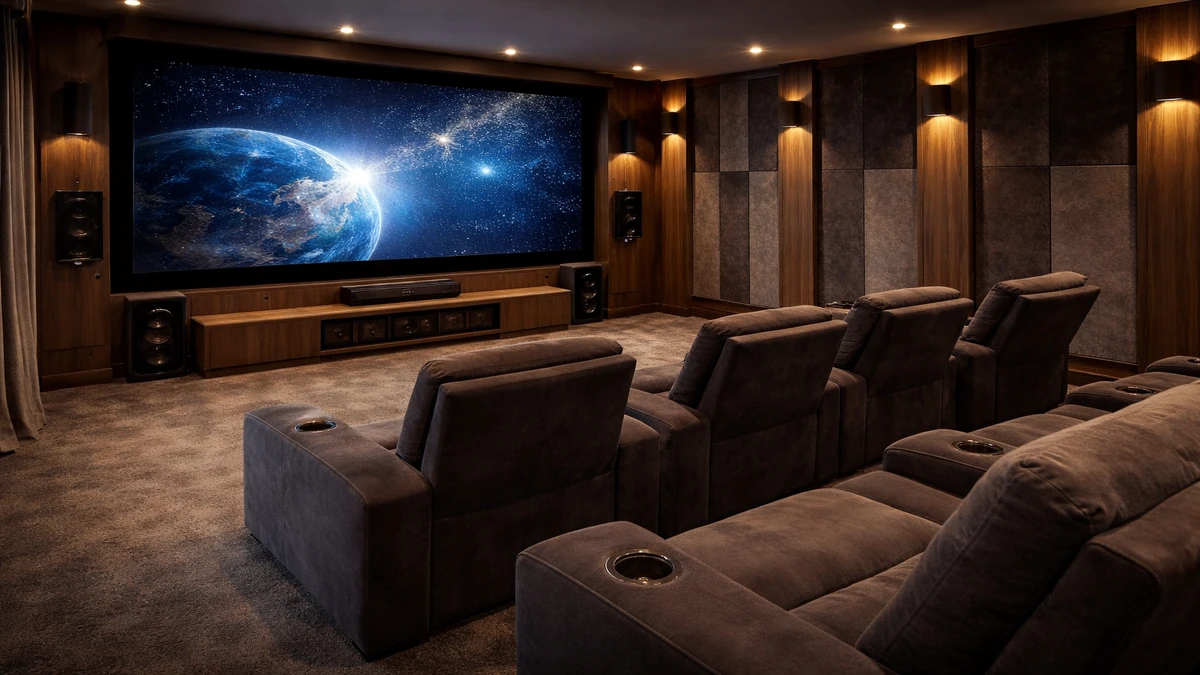
Home Theater Installation
Custom theater rooms designed for immersive picture, sound, and comfort.
4 minutes
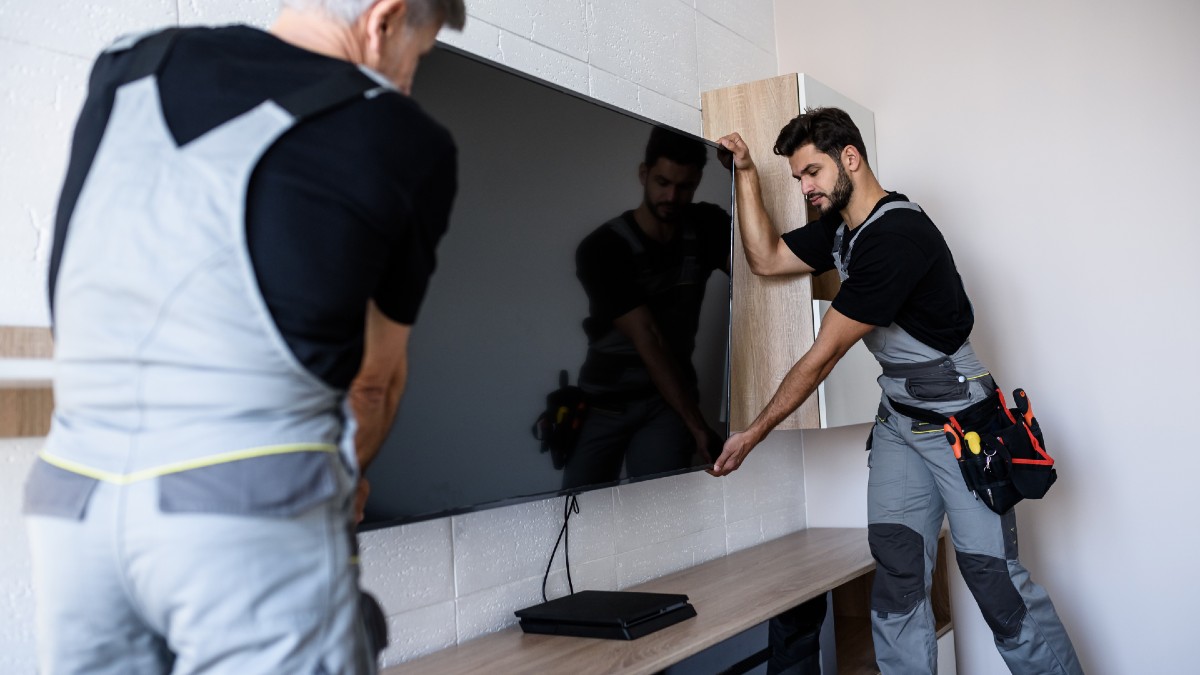
TV Wall Mounting
Professional TV mounting for cleaner layouts and better viewing angles.
5 minutes
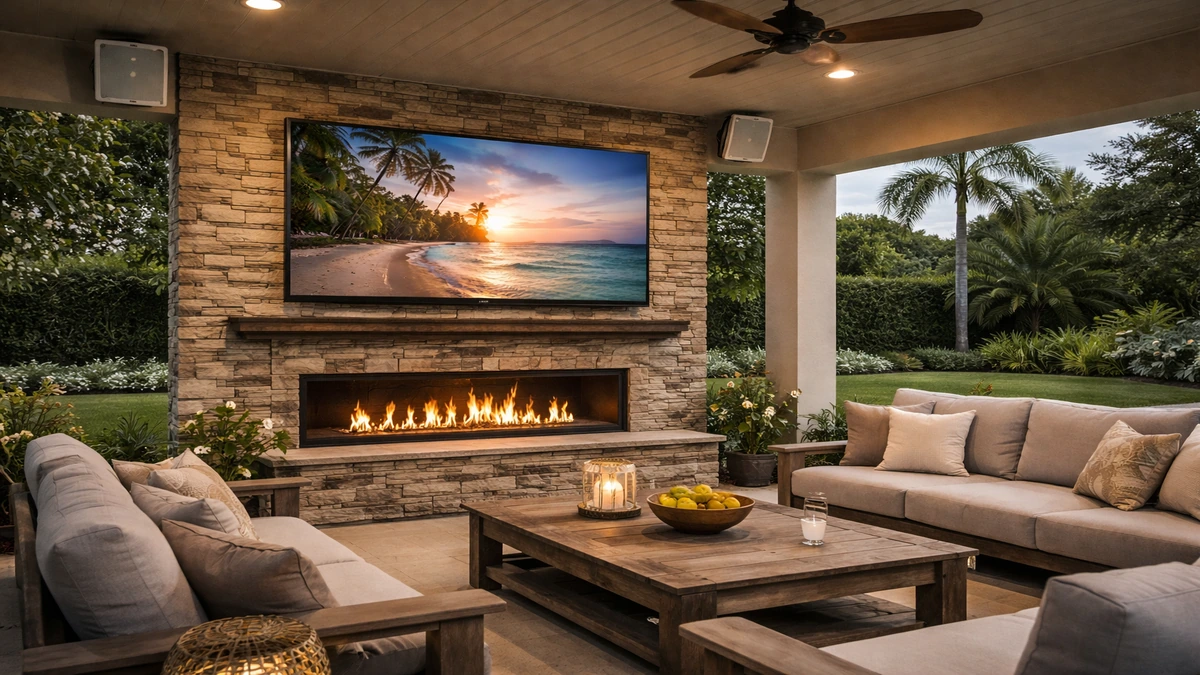
Outdoor TV Installation
Weather-aware outdoor TV setups built for patios, lanais, and pool areas.
5 minutes
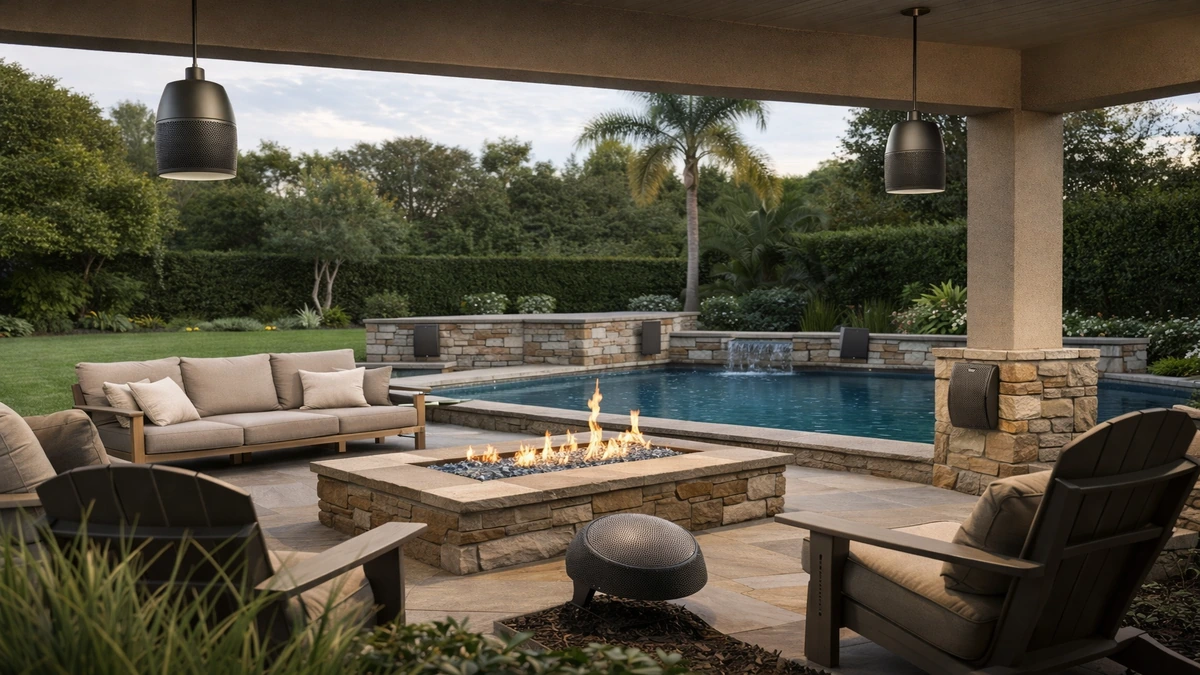
Outdoor Audio Installation
Outdoor speaker systems planned for clear sound and reliable coverage.
4 minutes
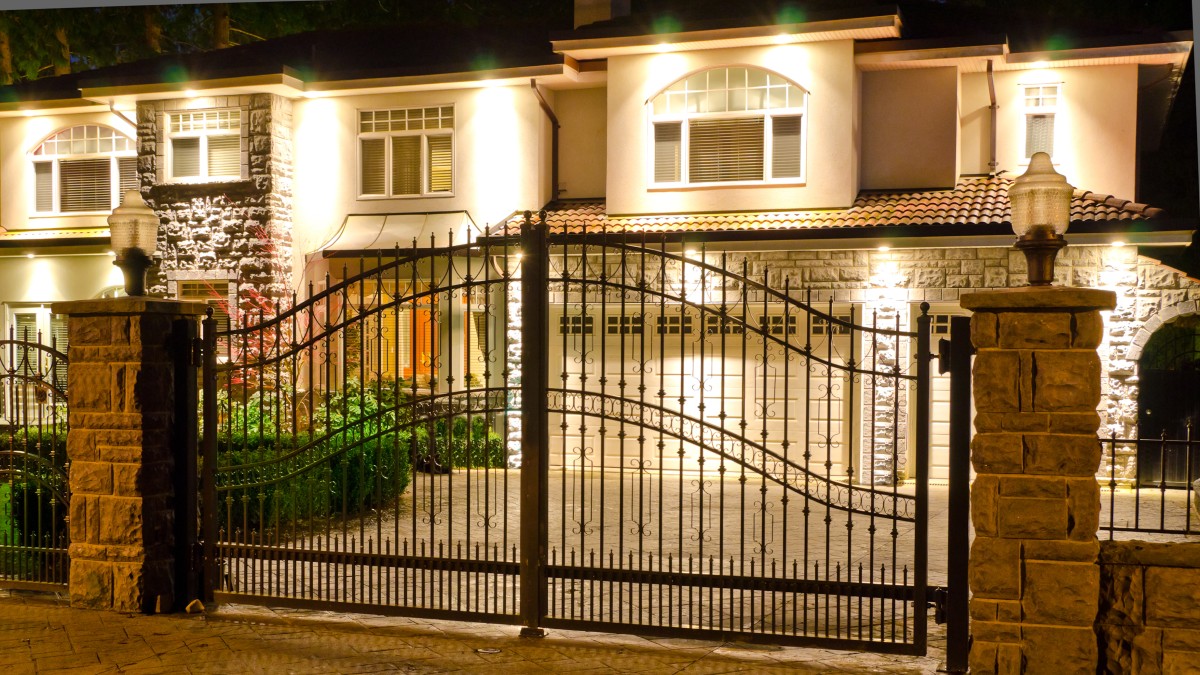
Automatic Gates
Secure, convenient gate automation with access control and entry integration.
4 minutes
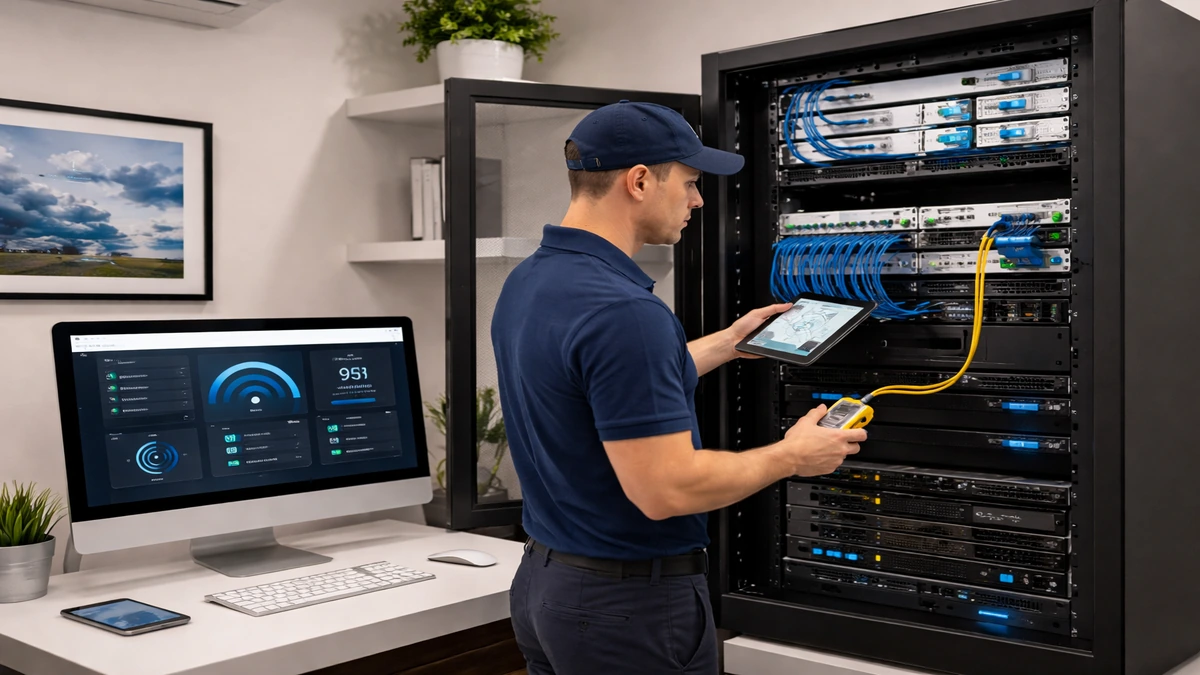
Home Network Installation
Stronger Wi-Fi, better coverage, and dependable connectivity throughout the property.
4 minutes
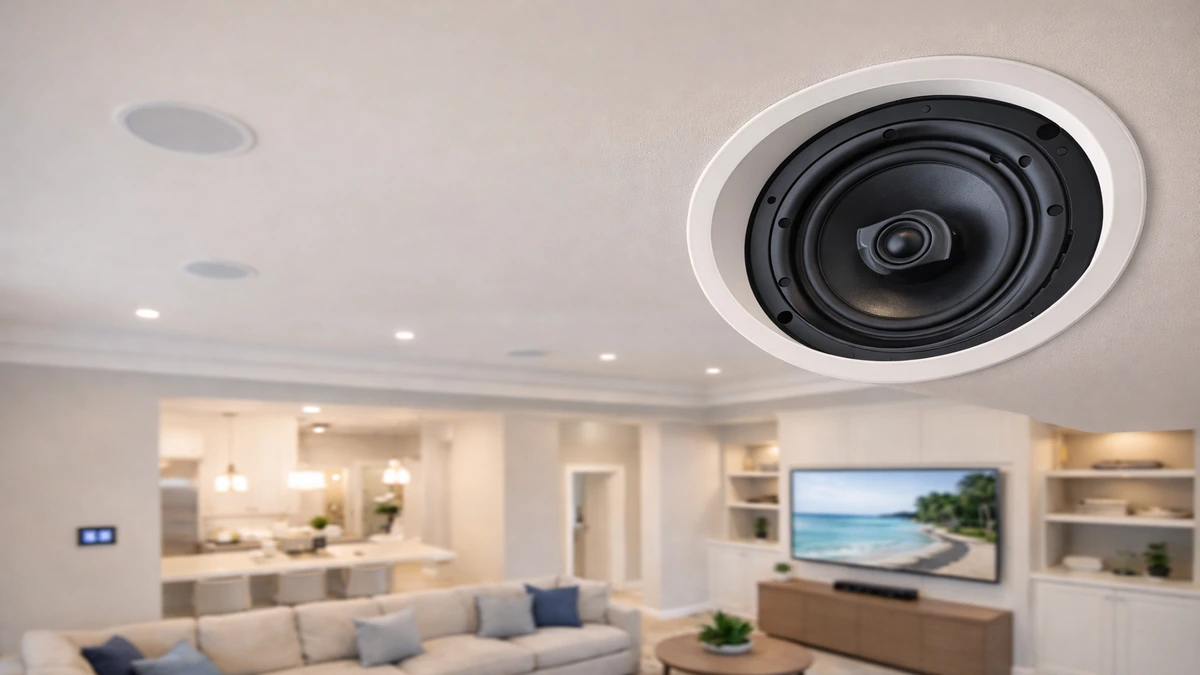
Ceiling Speaker Installation
Clean in-ceiling audio solutions for music, TV, and multi-room sound.
4 minutes
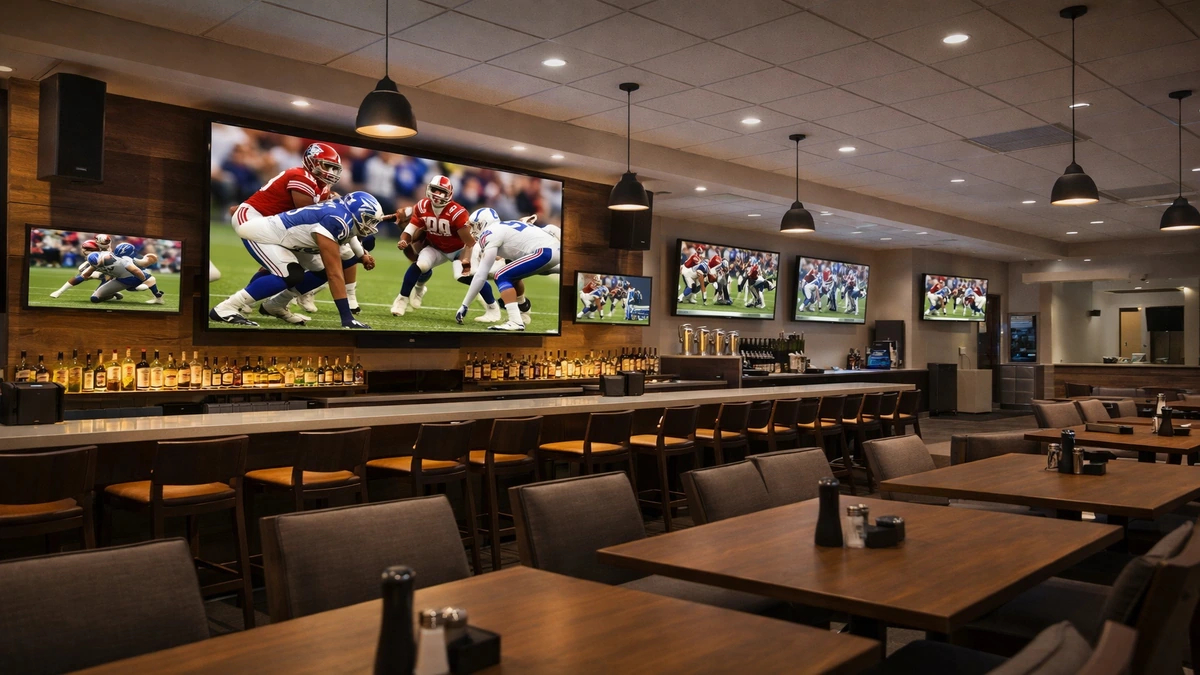
Commercial AV Installation
Professional audio, video, and control systems for business environments.
4 minutes
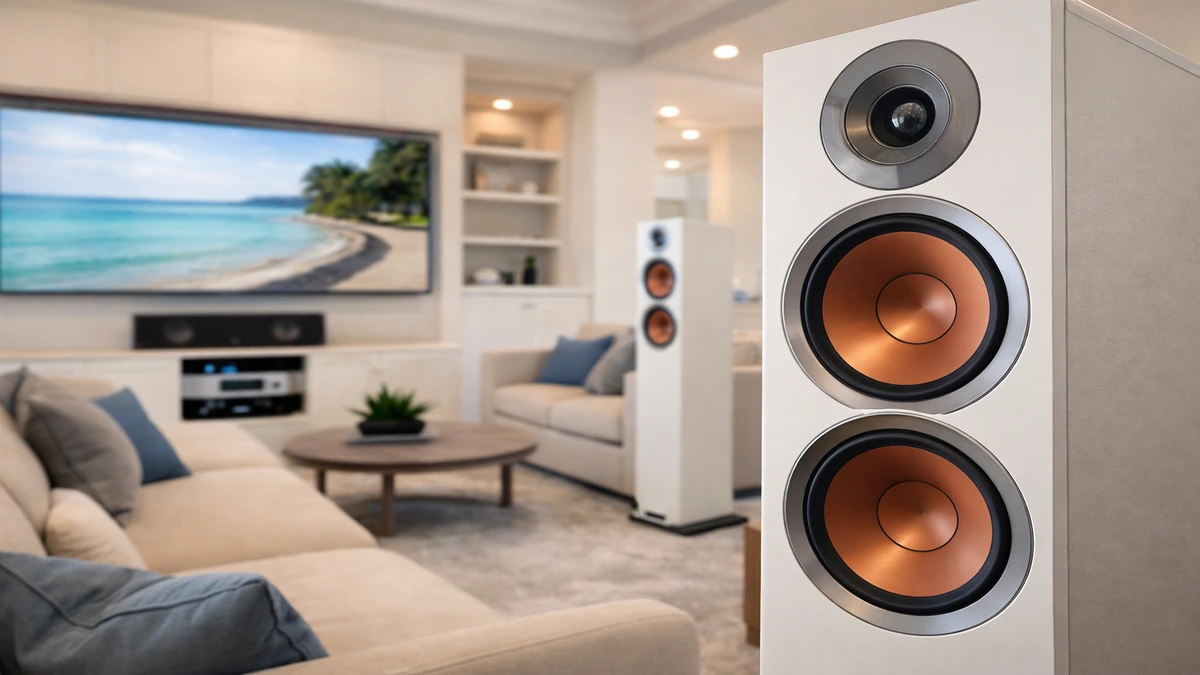
Home Audio Installation
Whole-home and room-based audio systems tailored to how you listen.
4 minutes

Marine Audio & Electronics Installation
Boat audio, displays, and electronics installed for performance on the water.
4 minutes
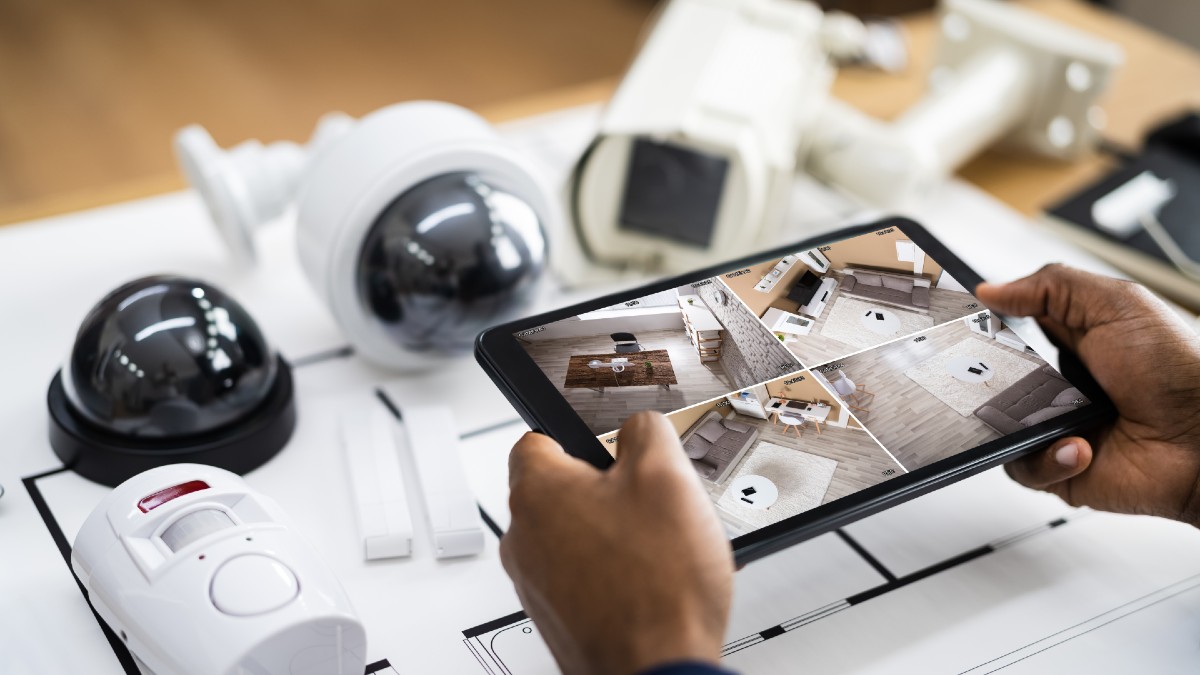
Security Camera Installation
Smart camera systems for visibility, alerts, recording, and remote monitoring.
4 minutes
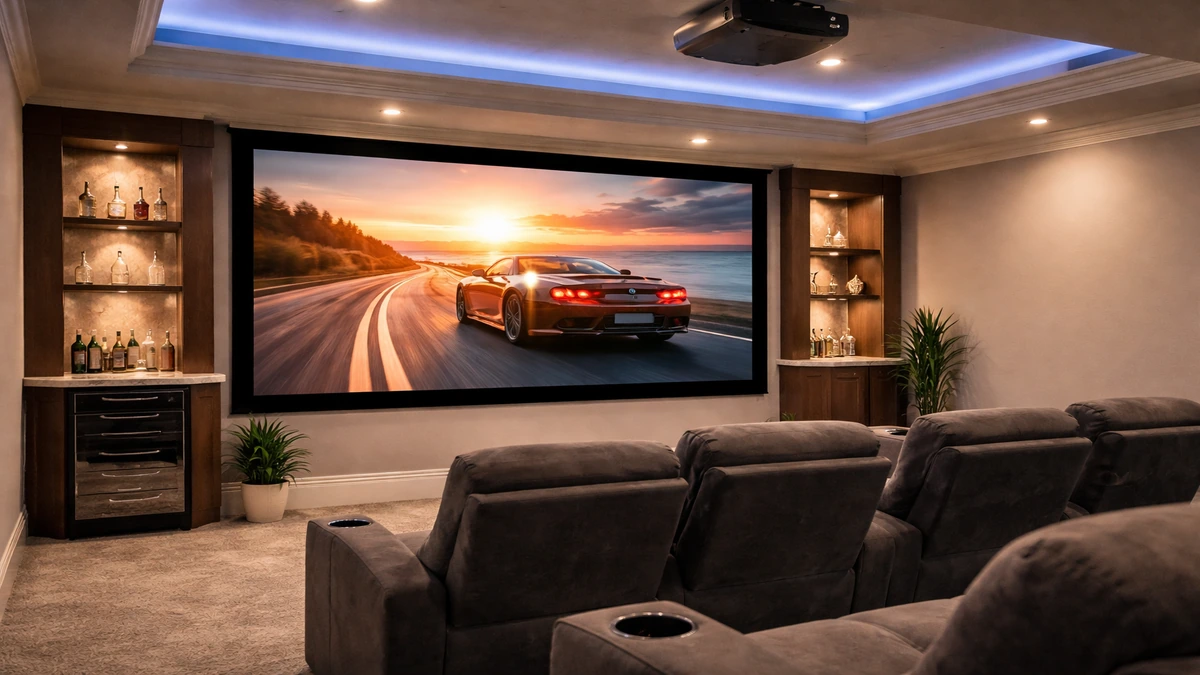
Projector Screen Installation
Projectors and screens configured for sharp viewing and balanced room performance.
4 minutes
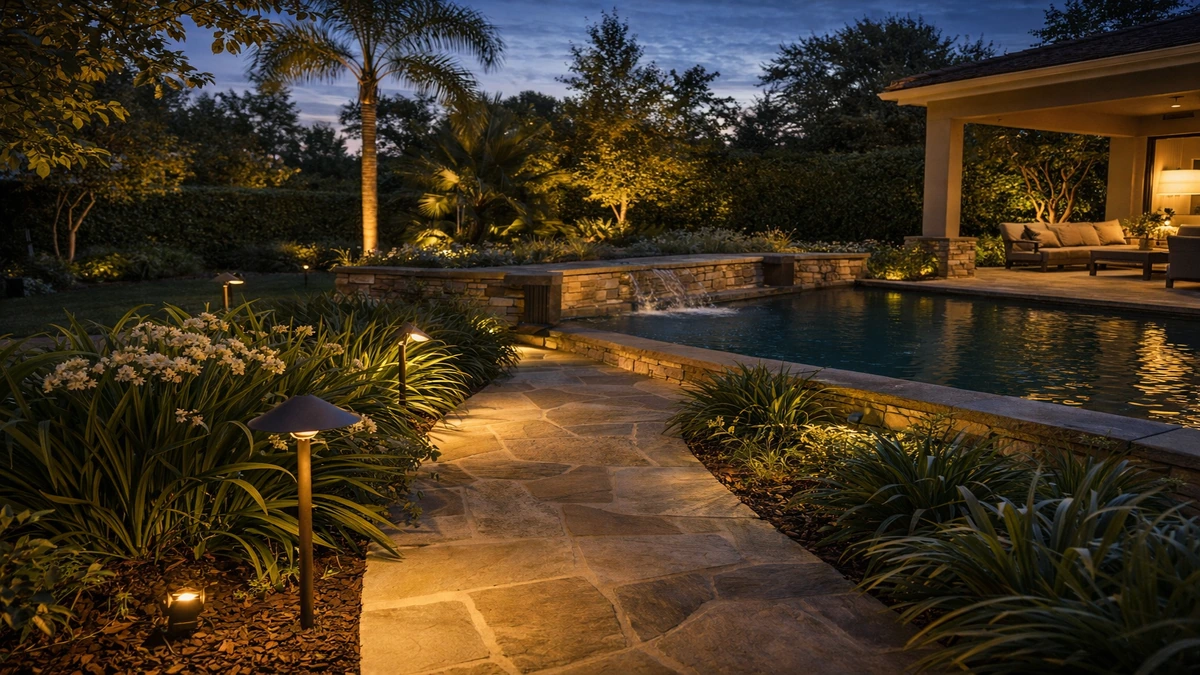
Outdoor Lighting Installation
Exterior lighting that improves curb appeal, ambiance, and nighttime usability.
4 minutes
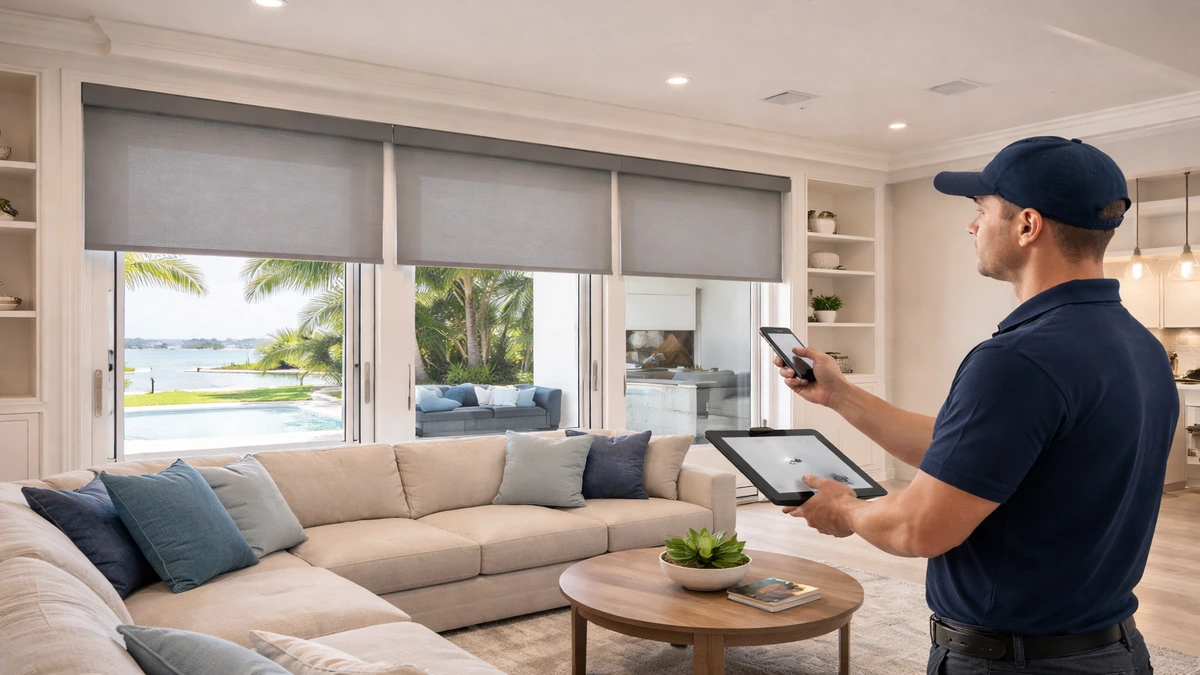
Motorized Blinds Installation
Automated shading for privacy, glare control, and everyday convenience.
4 minutes
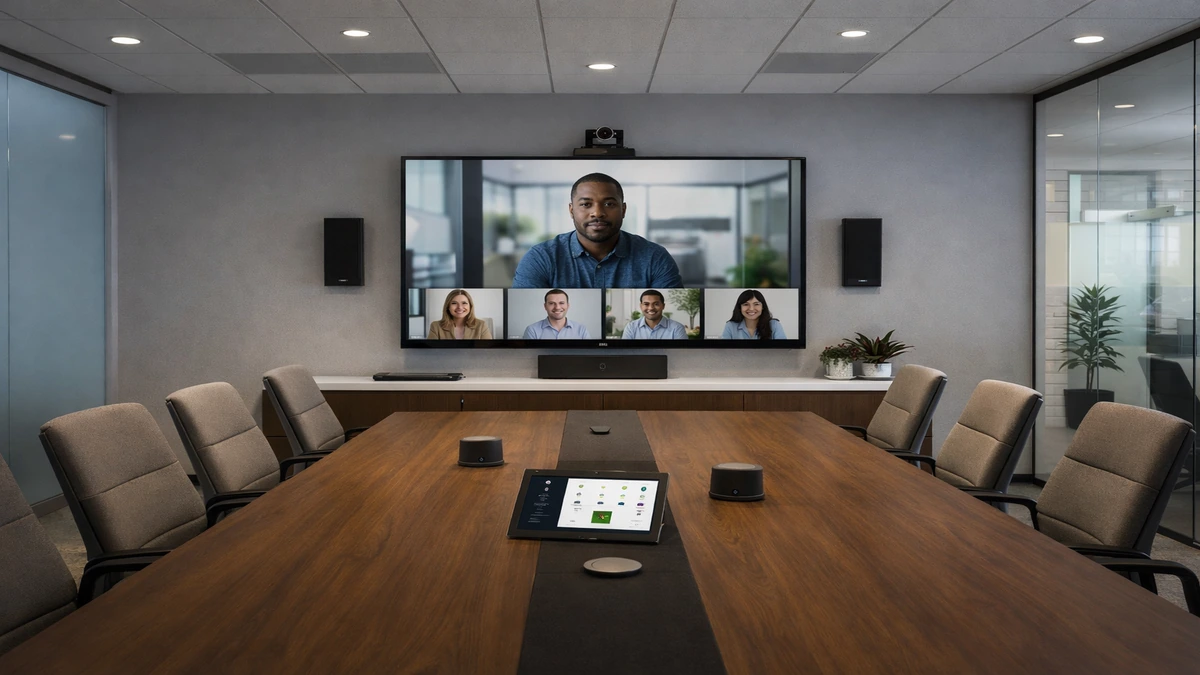
Conference Room AV Installation
Meeting room technology for clearer presentations, calls, and collaboration.
4 minutes
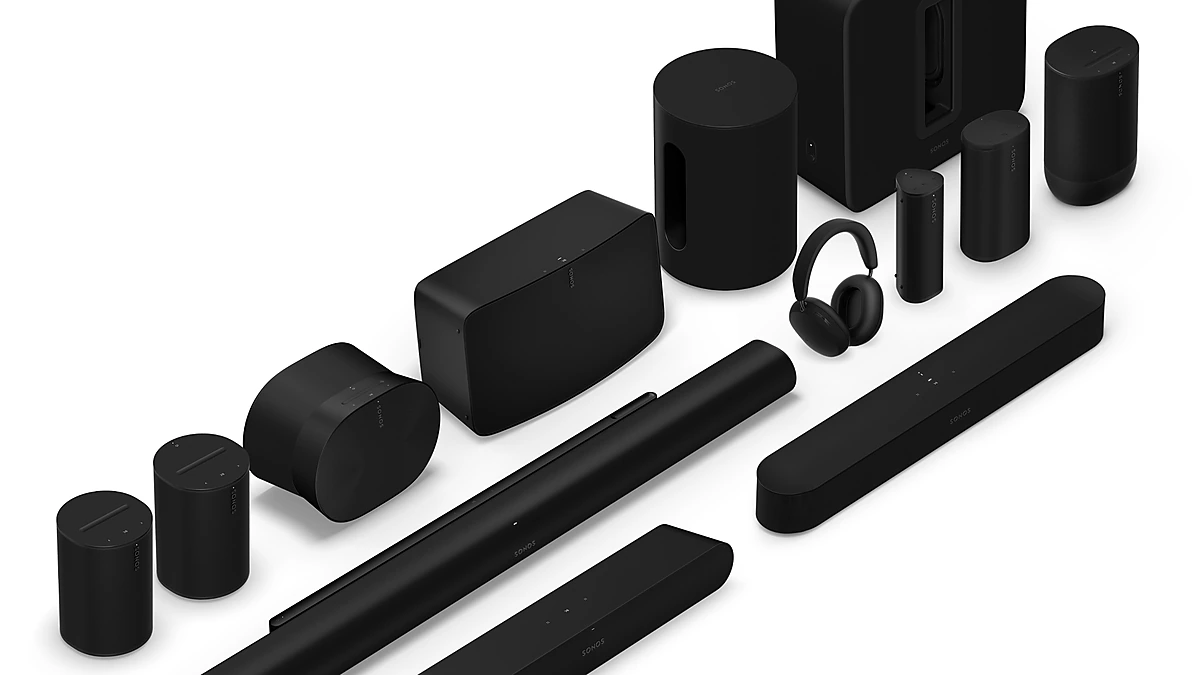
Sonos Installation
Sonos system design, setup, and tuning for simple multi-room audio.
4 minutes
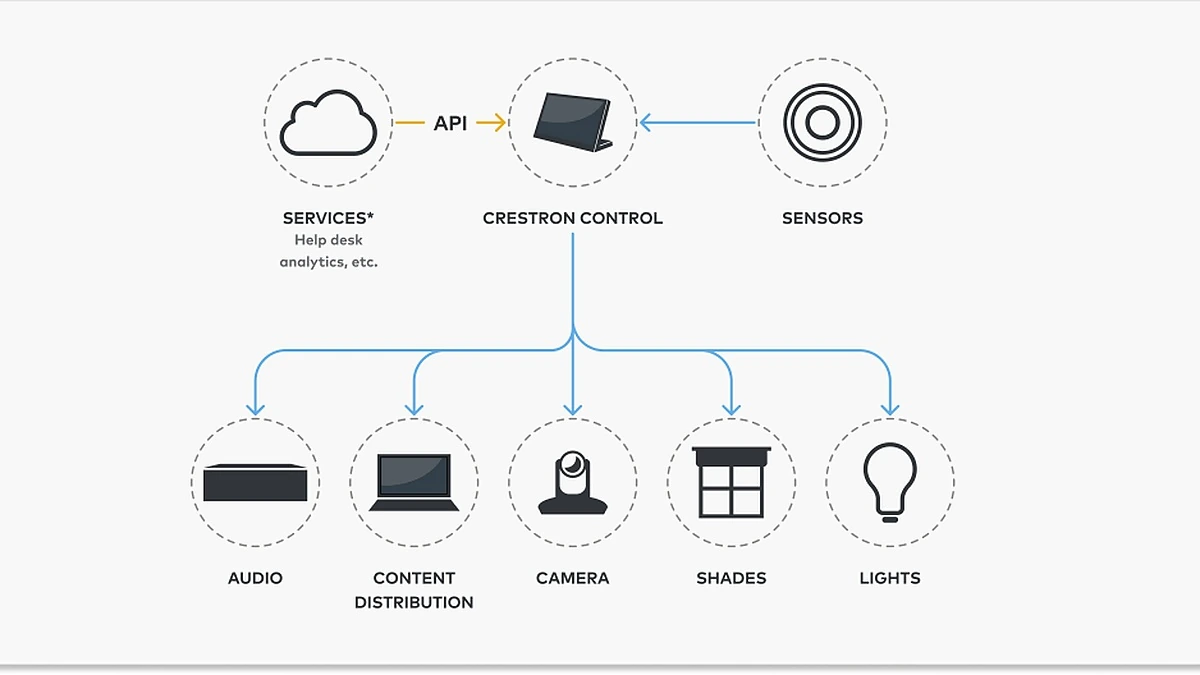
Crestron Installer
Advanced Crestron control integration for high-performance smart home environments.
4 minutes
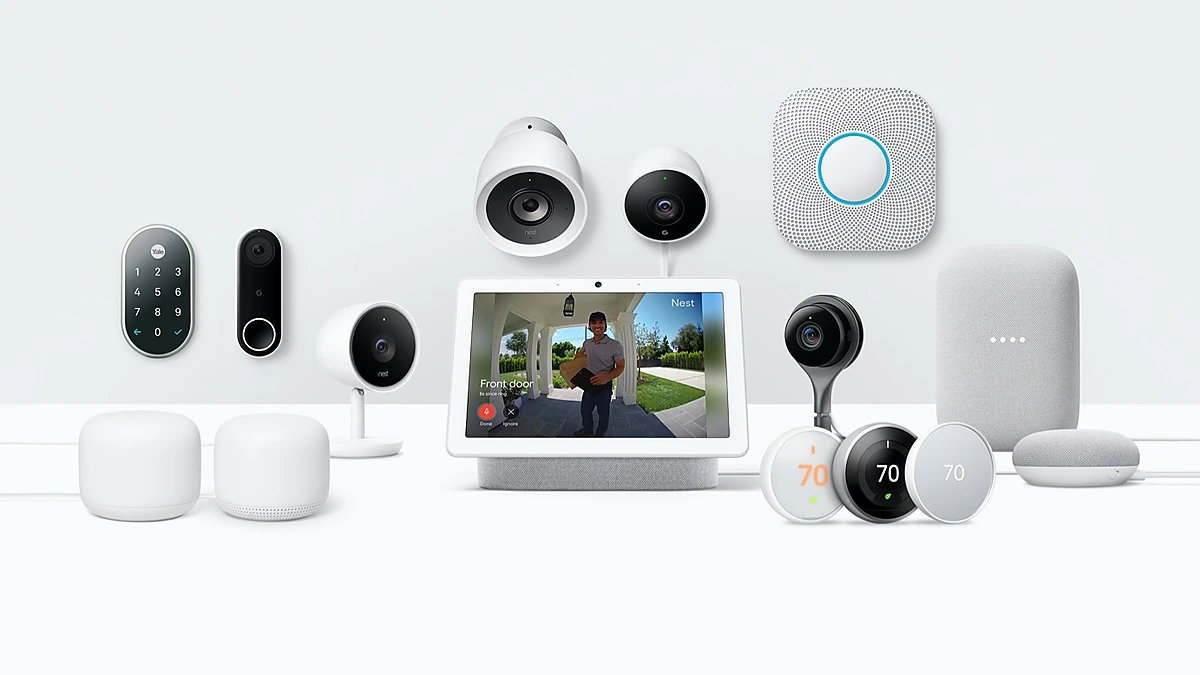
Nest Installer
Nest thermostat and smart home setup for comfort and remote control.
4 minutes
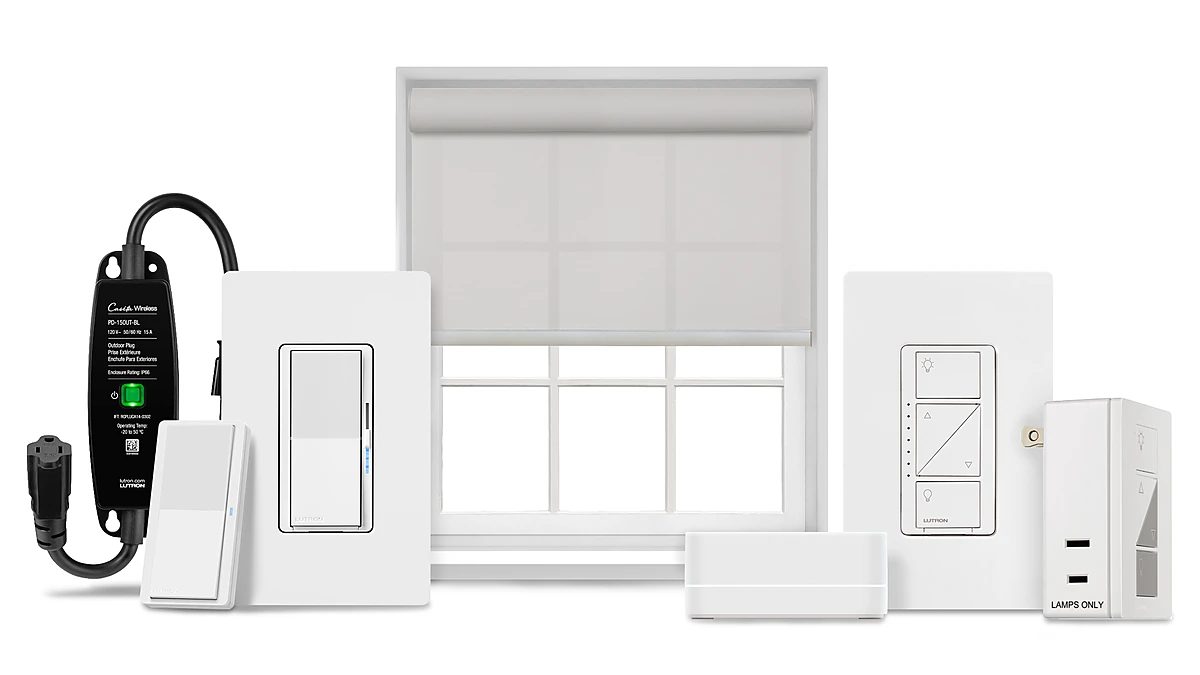
Lutron Installer
Lutron lighting and shading integration for smoother control and scene setting.
4 minutes
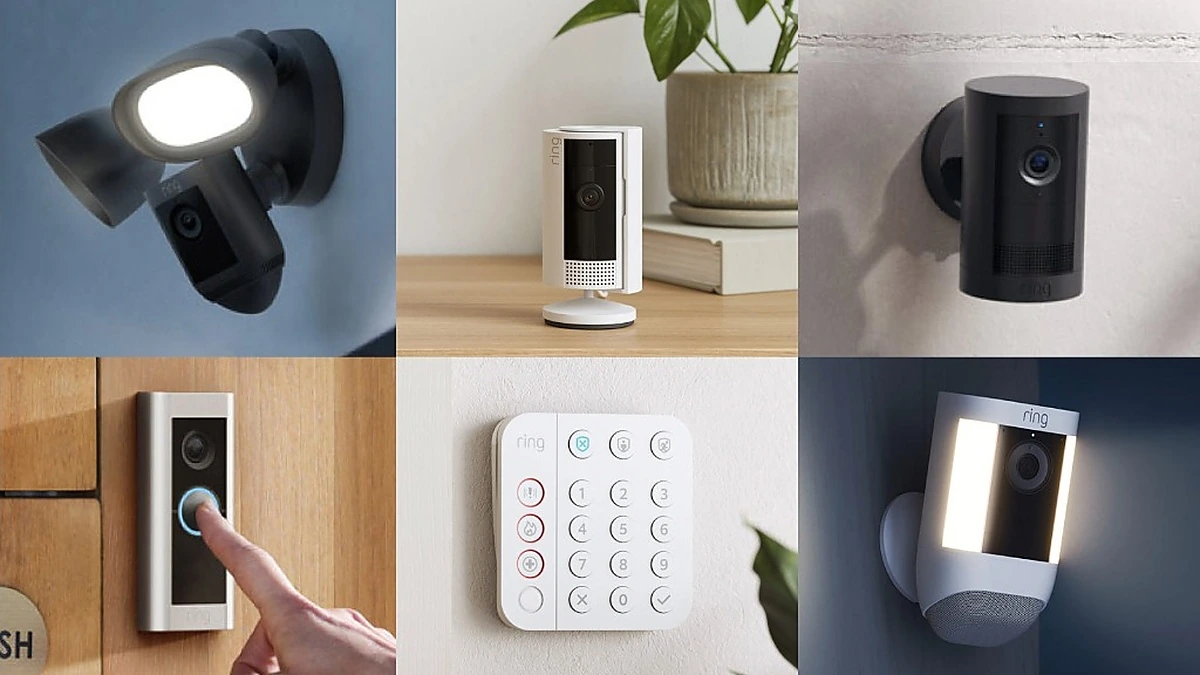
Ring Installation
Ring doorbells and cameras installed for better awareness and entry visibility.
5 minutes
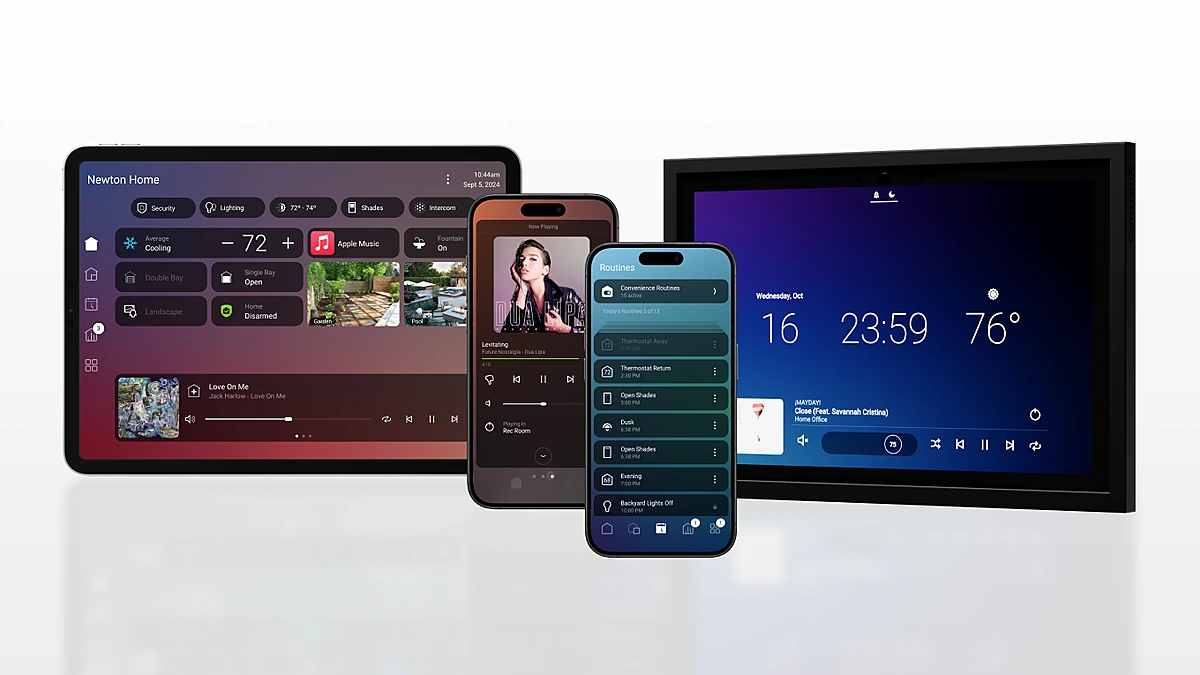
Control4 Installer
Control4 automation setup for unified entertainment, comfort, and home control.
4 minutes

Car & Truck Audio / Electronics Custom Upgrades
Custom mobile audio and electronics upgrades for better sound and functionality.
3 minutes
No single kind of building accounts for Fort Pierce
Fort Pierce has no dominant housing type, and that is the first thing worth knowing about planning a system here. Of 22,708 homes, 9,284 are detached houses — and very nearly the same number, 9,298, sit in buildings of between two and nineteen units. Another 2,463 are in buildings of twenty or more. No sentence beginning 'homes in Fort Pierce are' survives contact with that spread. What can be run, who has to agree to it, and what the finished result ought to look like are decided by the building, not by the city.
It is older stock as well. The largest group of homes here was finished between 1980 and 1989, the median home dates from that decade, and 10,834 of them — close to half the city — predate 1980 altogether. Construction of that age was completed long before low-voltage distribution was something anyone designed in, so a project here is a retrofit into finished work almost by definition. That is entirely workable. It does mean the route survey is the design, and the equipment list follows it instead of leading it.
In a two-family building or a small apartment block the questions are not the ones a house asks. Whether a chase or riser may be opened, whether a run can cross into construction shared with somebody else, what has to be in-wall and what will end up surface-run in trunking that another party has to accept — those get settled with whoever administers the building before a single speaker position is chosen. It is not a harder job than a house. It is a job with an approval in front of it, and that approval is far cheaper to obtain at the start than to discover in the middle.
Half of Fort Pierce rents, and a system has to survive a change of occupant
Fort Pierce is almost evenly divided between owning and renting: of 18,510 occupied homes, 9,052 are owner-occupied and 9,458 are rented. That is unusual enough to change the brief. A system in a property that changes hands is not judged only by whoever commissioned it — it is judged by whoever arrives next, often with no handover at all. Control should be readable on sight. Mounting should come off a wall without redecorating behind it. And the whole thing should be documented well enough that a stranger can run it, or a different technician service it, without archaeology.
That is an engineering constraint rather than a courtesy. It favours a control layer with an obvious default — a keypad carrying named scenes over an app somebody has to be enrolled in, a television that comes on and works without anyone reciting an order of operations, network credentials that live somewhere other than one person's phone. It favours mounting and cable routes that can be undone. And it favours labelling, because the cheapest service visit is the one that does not have to begin with a survey.
Which approval comes first depends on the building
One administrative point, and in a mixed-stock city it lands twice. St. Lucie County's permitting page directs properties in the City of Fort Pierce to the city, which issues its own permits and publishes a number to call for the details. So the authority is the city rather than the county. And in a building shared with other homes there is a second gate ahead of that one: whoever administers the building decides what may be opened, and no permit answers that question on their behalf.
Put all of that together and the sequence in Fort Pierce runs slightly differently from the one a street of detached houses would use. Establish the building first: what it is, what it allows, and who has to agree. Then the routes, and what they force in the way of in-wall against surface cabling. Then the finish standard, because in older construction the gap between concealed and merely neat is decided by what is behind the plaster. Equipment last. Done in that order, a large system in a mixed-stock city is no harder than one anywhere else — it simply carries more of its difficulty at the front, where difficulty is cheap.