

Lived-In Homes, Fifty-Unit Towers Audio Video | Home Theater Installations Serving Cutler Bay, FL
Staged whole-home AV, theater and control planning for Cutler Bay, where 14,535 of 15,138 homes are occupied and 1,264 sit in buildings of fifty units or more.
Enhance Your Lifestyle with Comprehensive AV and Smart Home Solutions
Explore top-tier home theater setups, car and marine audio systems, and smart home technologies designed to streamline and enrich your daily living experience.
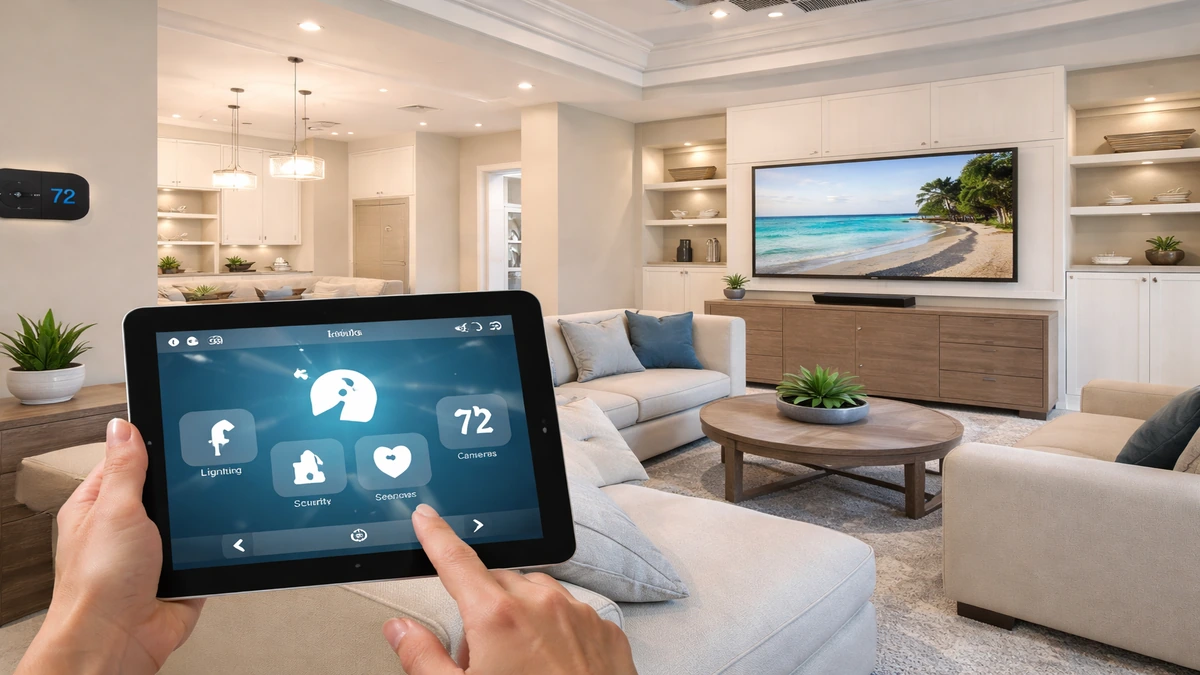
Smart Home Automation Installation
Integrated control for lighting, climate, security, and entertainment.
4 minutes
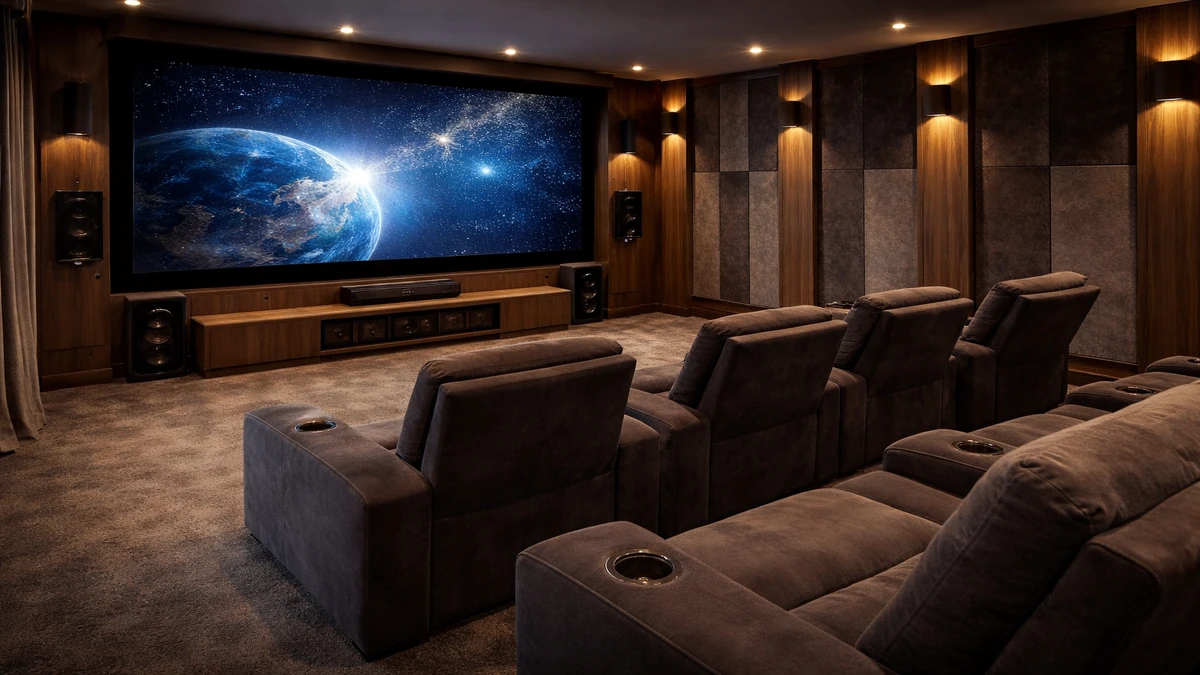
Home Theater Installation
Custom theater rooms designed for immersive picture, sound, and comfort.
4 minutes
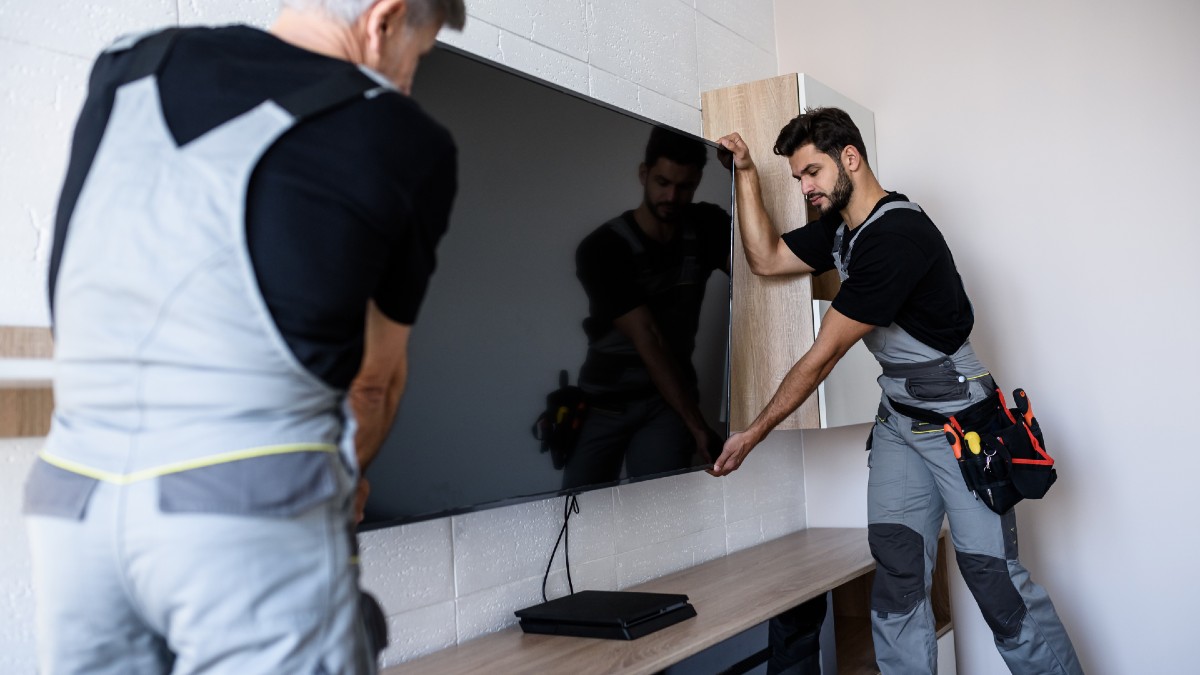
TV Wall Mounting
Professional TV mounting for cleaner layouts and better viewing angles.
5 minutes
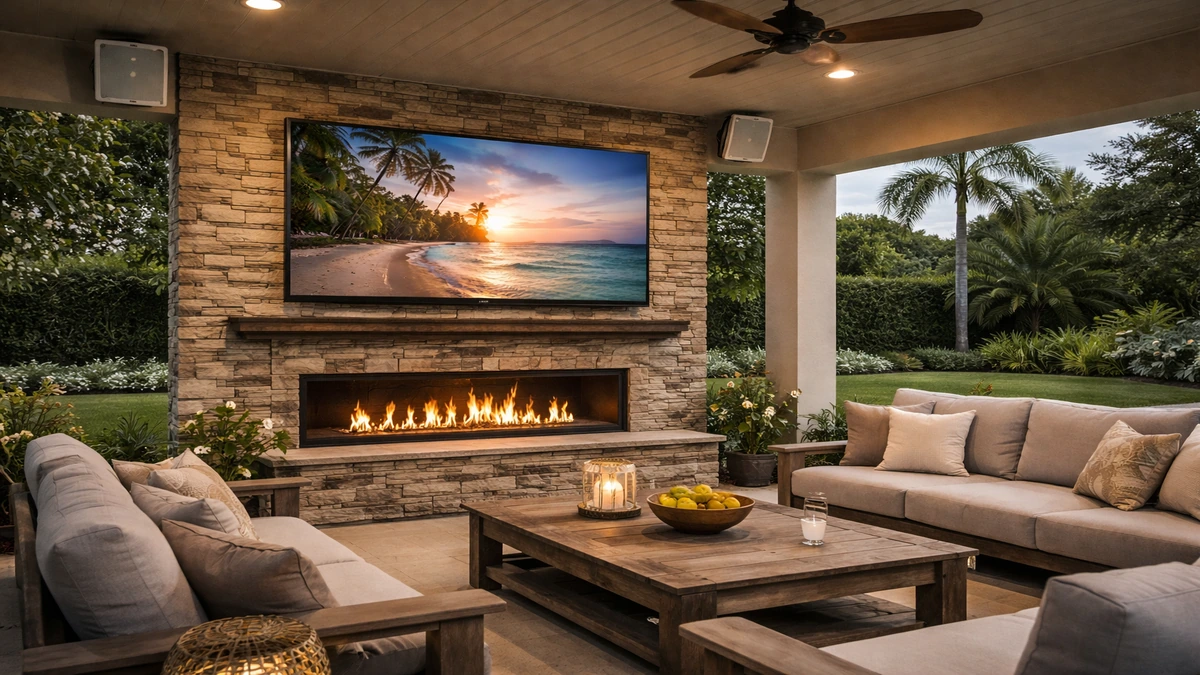
Outdoor TV Installation
Weather-aware outdoor TV setups built for patios, lanais, and pool areas.
5 minutes
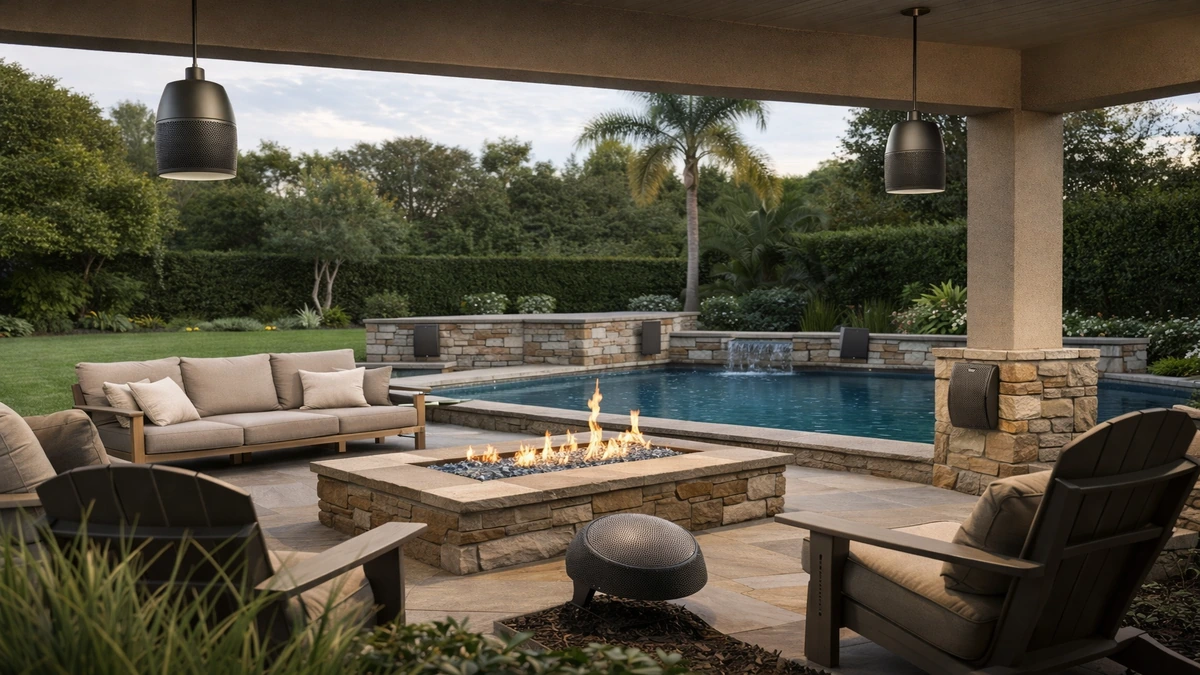
Outdoor Audio Installation
Outdoor speaker systems planned for clear sound and reliable coverage.
4 minutes
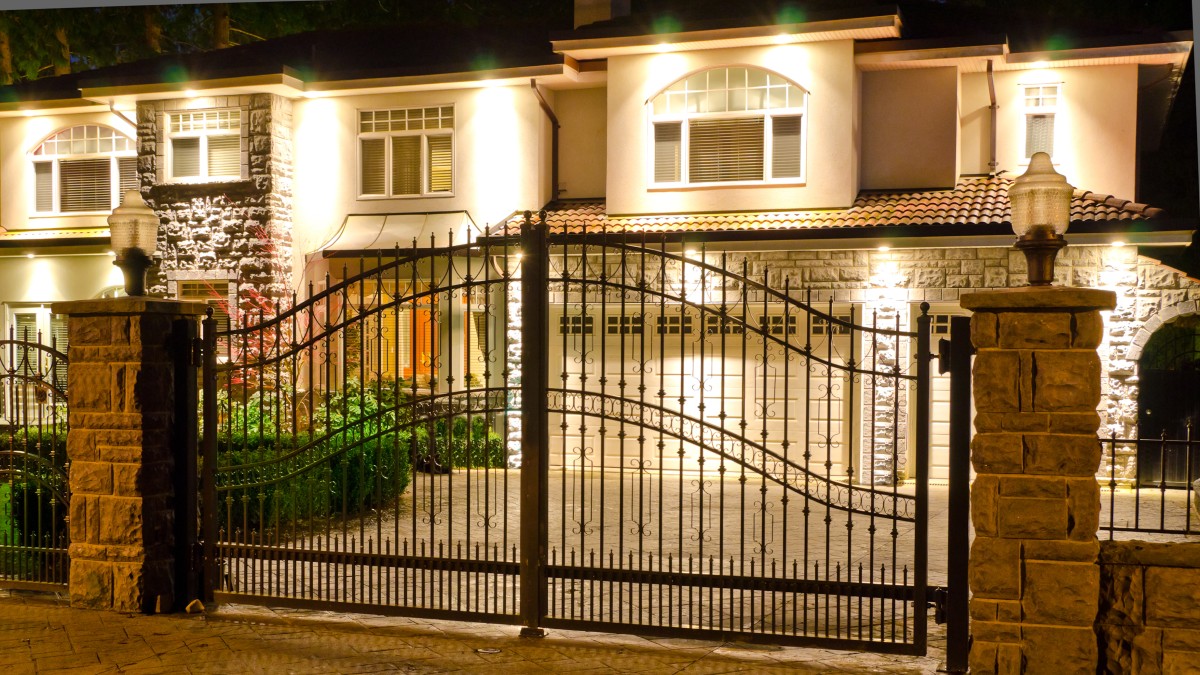
Automatic Gates
Secure, convenient gate automation with access control and entry integration.
4 minutes
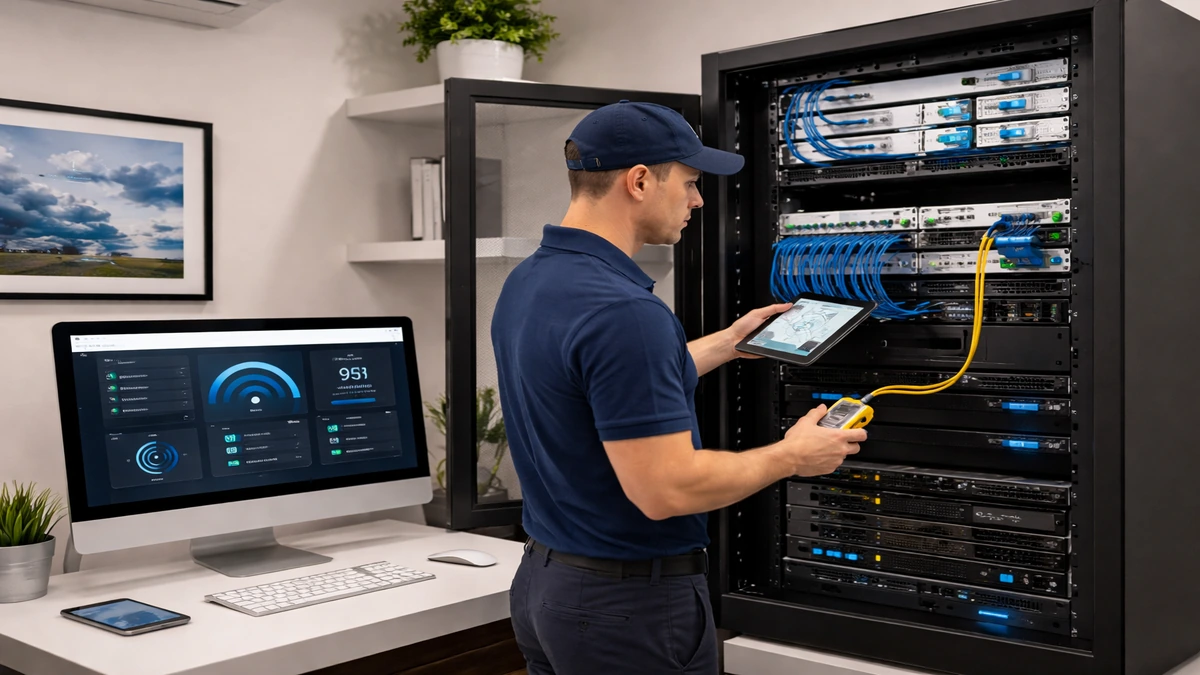
Home Network Installation
Stronger Wi-Fi, better coverage, and dependable connectivity throughout the property.
4 minutes
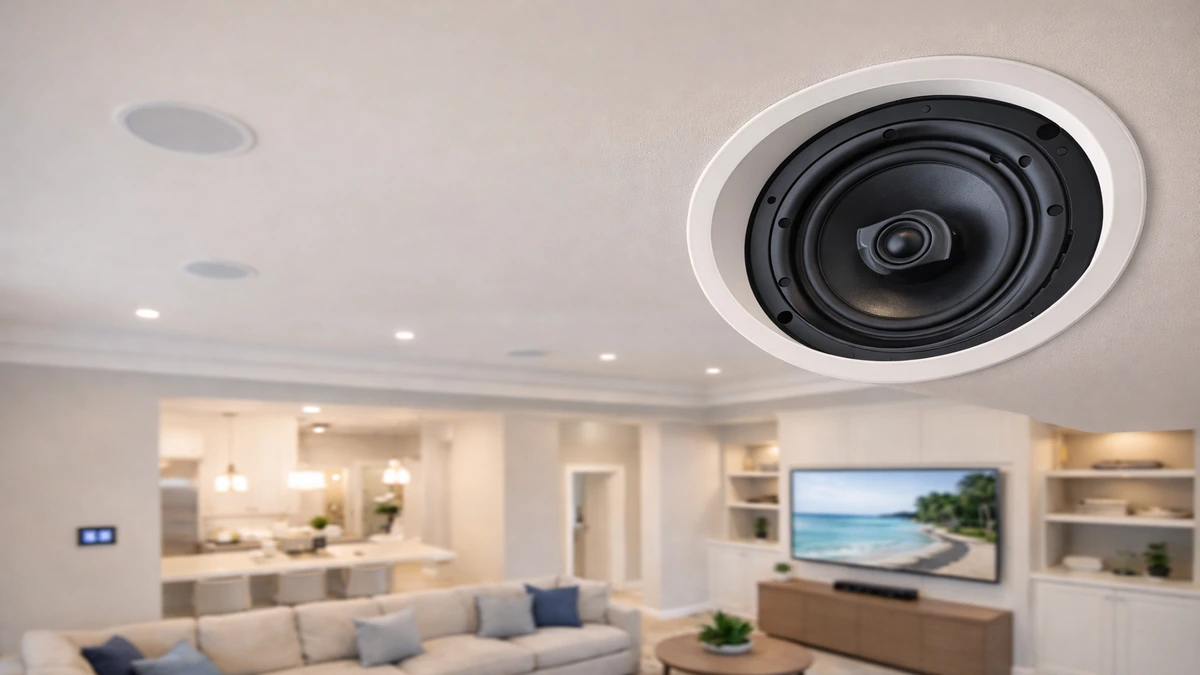
Ceiling Speaker Installation
Clean in-ceiling audio solutions for music, TV, and multi-room sound.
4 minutes
Commercial AV Installation
Professional audio, video, and control systems for business environments.
4 minutes
Home Audio Installation
Whole-home and room-based audio systems tailored to how you listen.
4 minutes

Marine Audio & Electronics Installation
Boat audio, displays, and electronics installed for performance on the water.
4 minutes
Security Camera Installation
Smart camera systems for visibility, alerts, recording, and remote monitoring.
4 minutes
Projector Screen Installation
Projectors and screens configured for sharp viewing and balanced room performance.
4 minutes
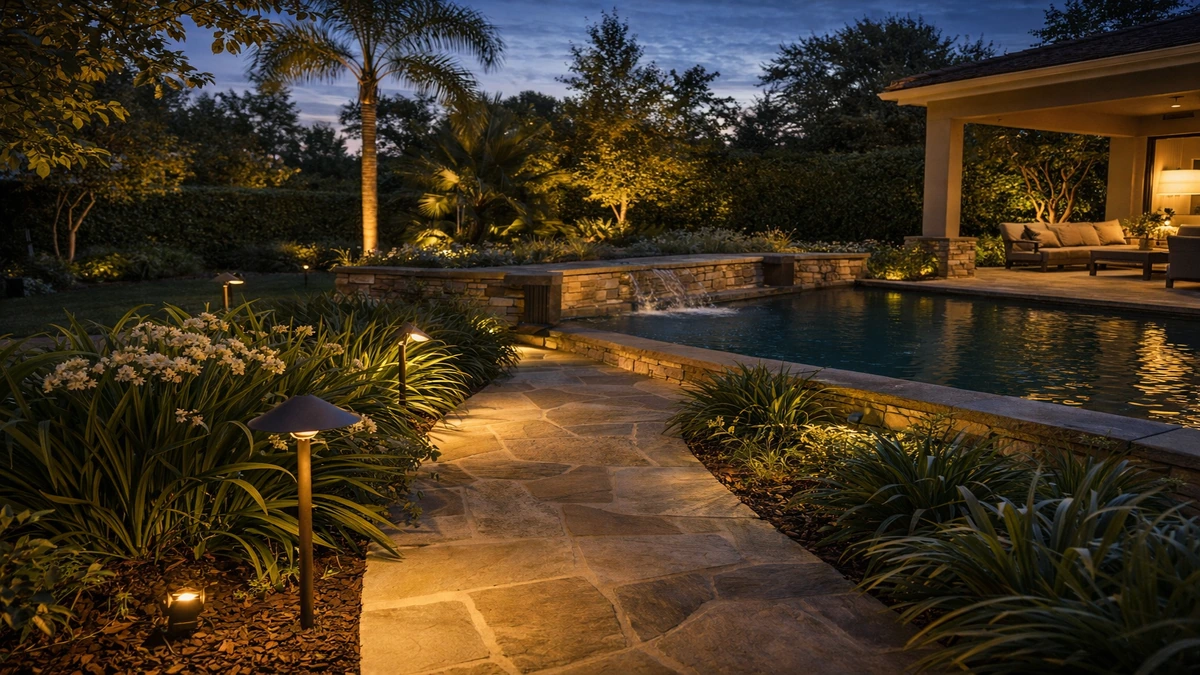
Outdoor Lighting Installation
Exterior lighting that improves curb appeal, ambiance, and nighttime usability.
4 minutes
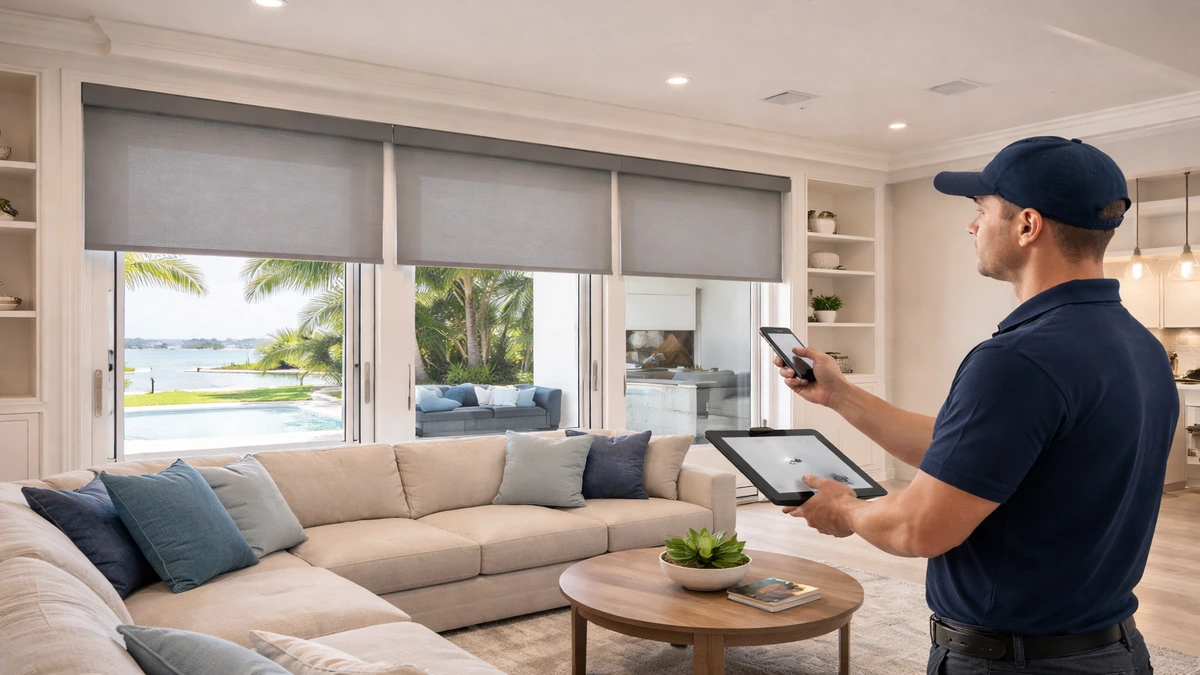
Motorized Blinds Installation
Automated shading for privacy, glare control, and everyday convenience.
4 minutes
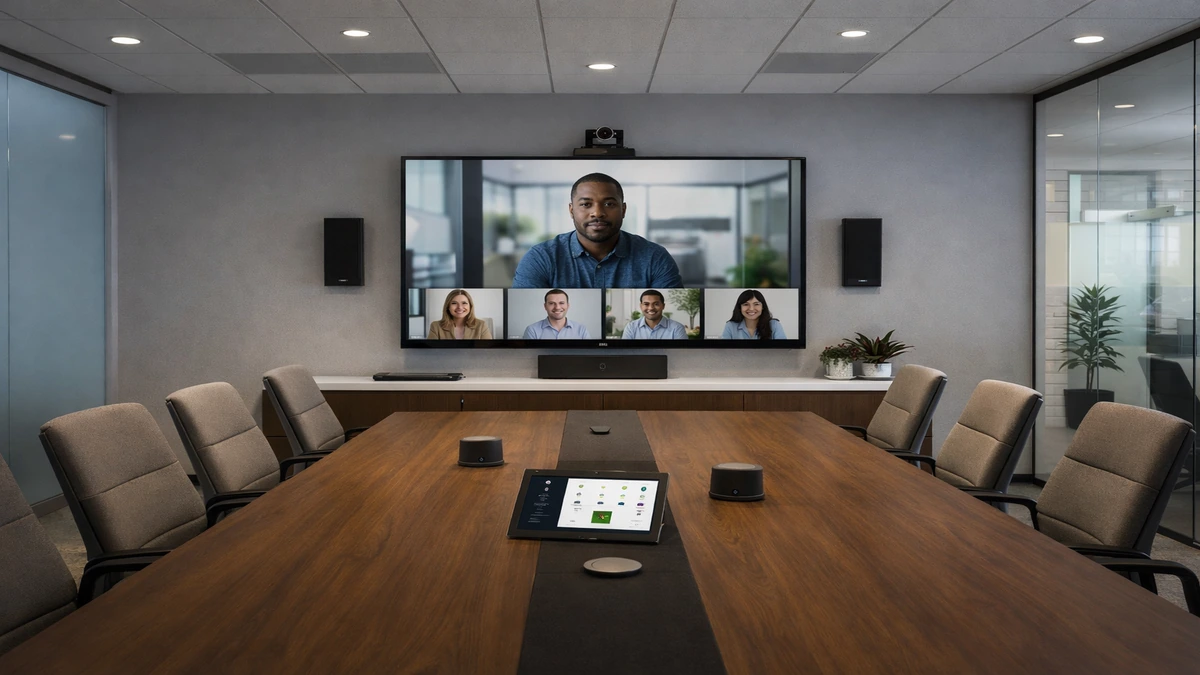
Conference Room AV Installation
Meeting room technology for clearer presentations, calls, and collaboration.
4 minutes
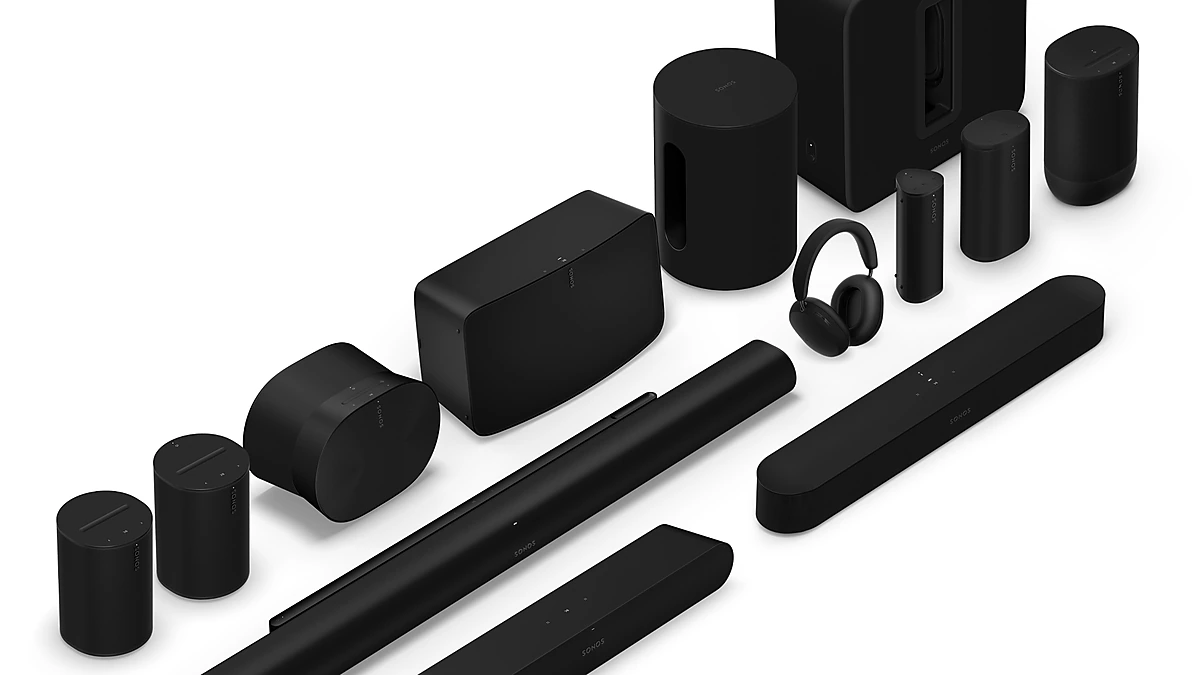
Sonos Installation
Sonos system design, setup, and tuning for simple multi-room audio.
4 minutes
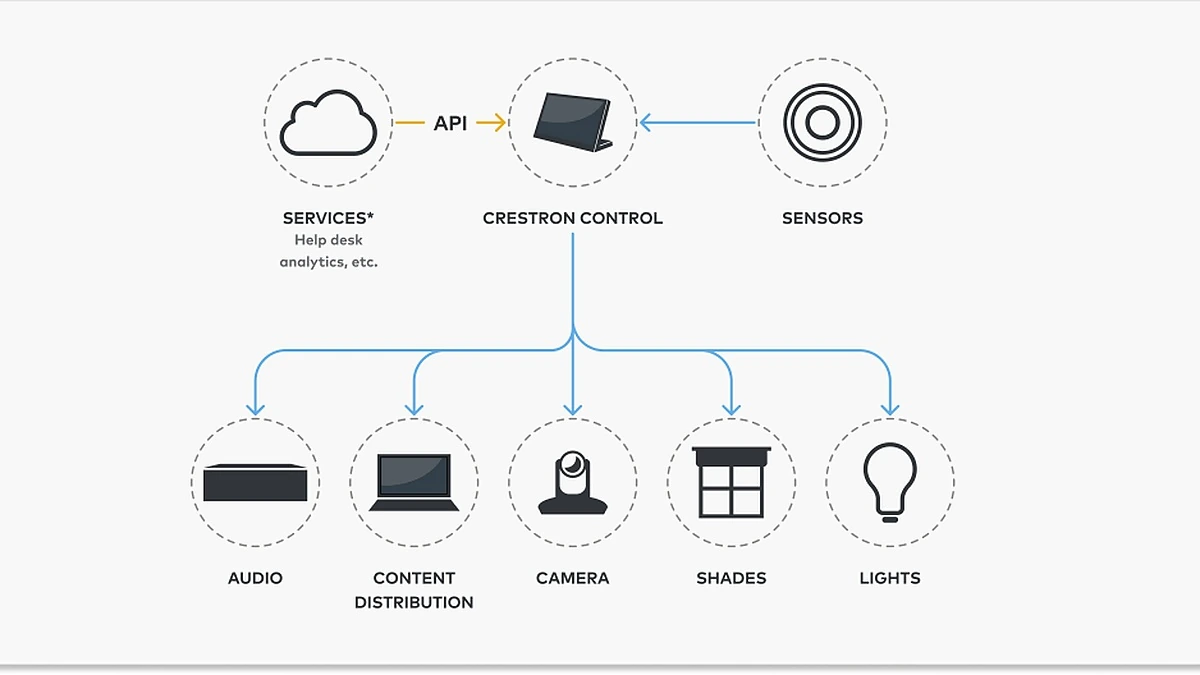
Crestron Installer
Advanced Crestron control integration for high-performance smart home environments.
4 minutes
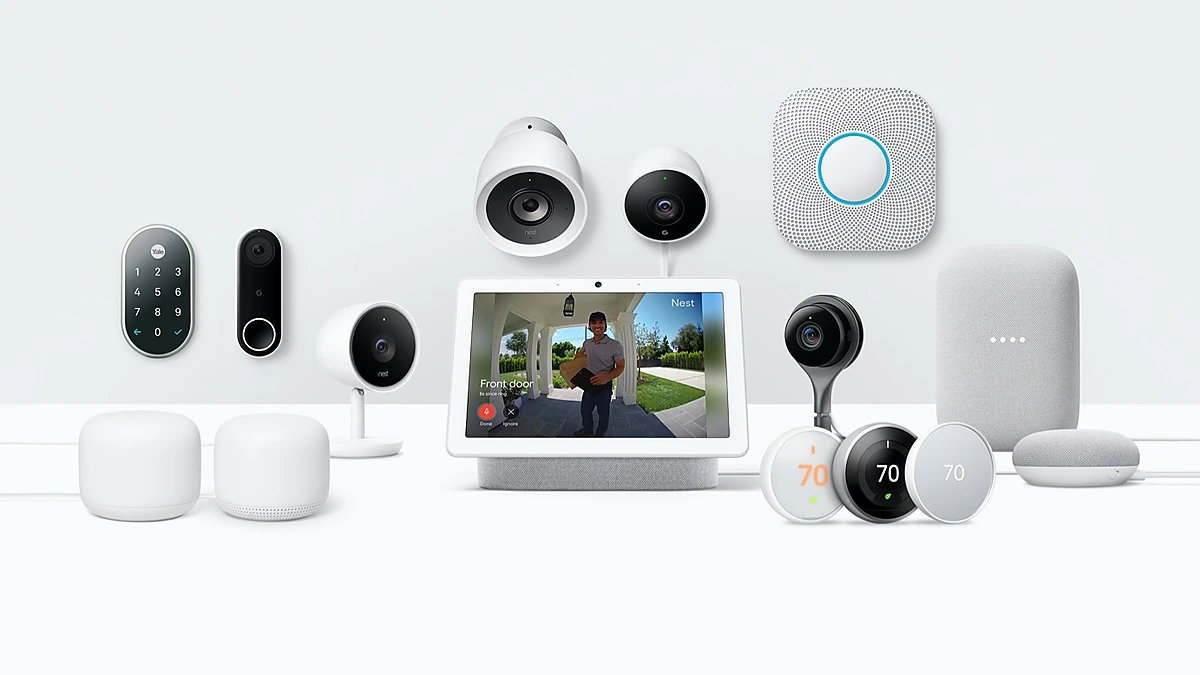
Nest Installer
Nest thermostat and smart home setup for comfort and remote control.
4 minutes
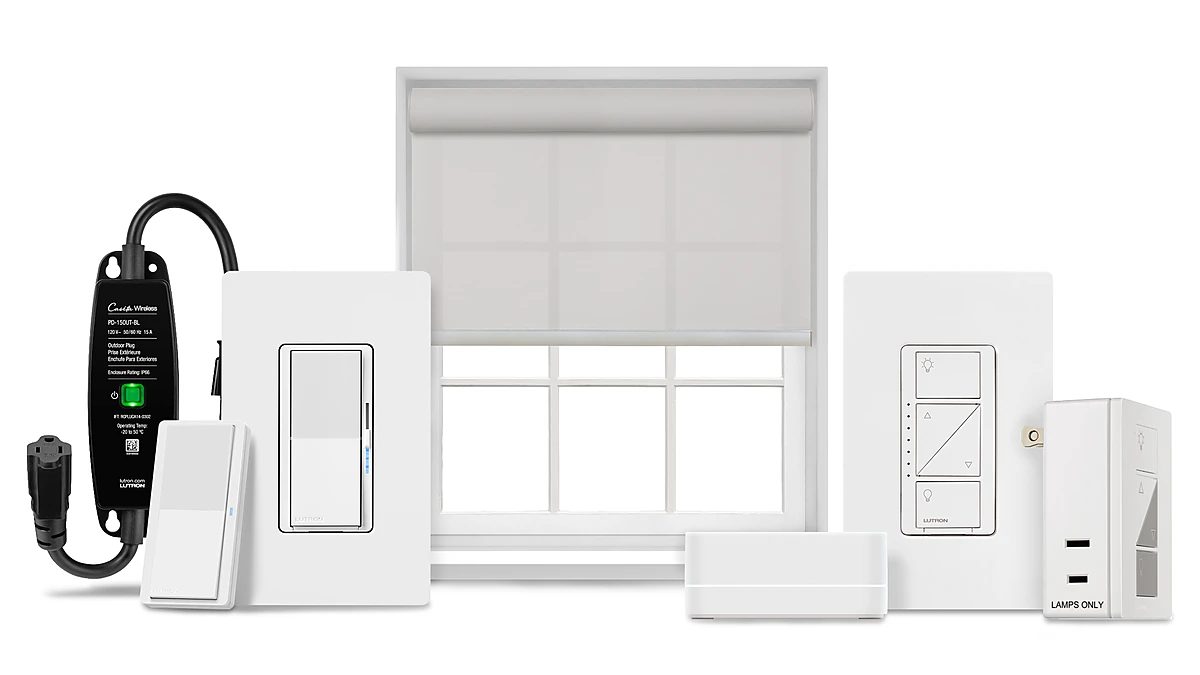
Lutron Installer
Lutron lighting and shading integration for smoother control and scene setting.
4 minutes
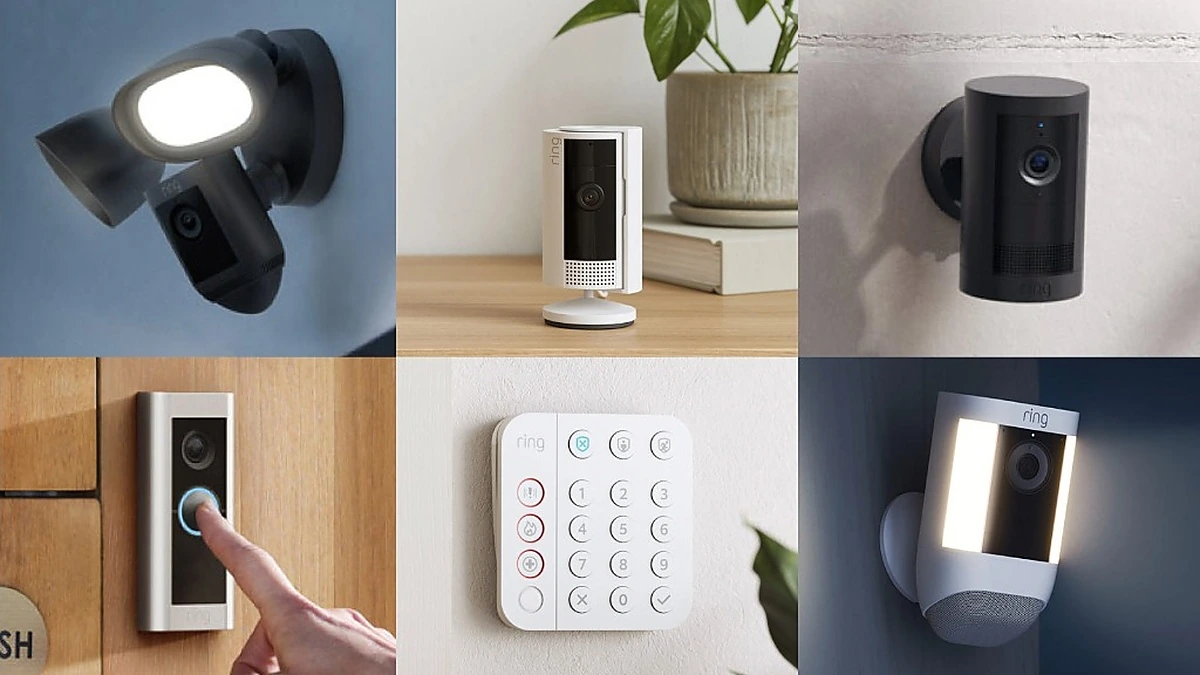
Ring Installation
Ring doorbells and cameras installed for better awareness and entry visibility.
5 minutes
Control4 Installer
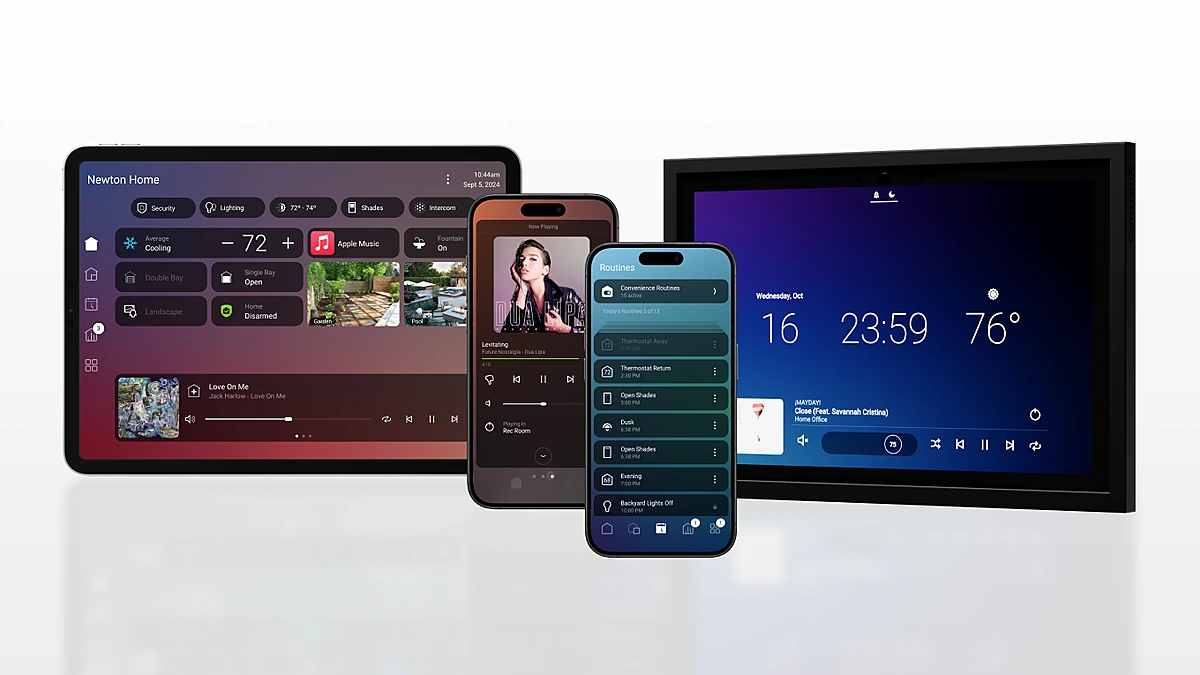
Control4 automation setup for unified entertainment, comfort, and home control.
4 minutes

Car & Truck Audio / Electronics Custom Upgrades
Custom mobile audio and electronics upgrades for better sound and functionality.
3 minutes
Cutler Bay empties for nobody, and the census puts a number on it
There are 15,138 homes in Cutler Bay and only 603 of them stand empty. Just 66 of those are counted as being kept for part of the year, so practically nothing here goes quiet. That is an agreeable fact about a town and an awkward one for a whole-home project, because it means the work is almost always happening in a house that somebody is living in while it happens.
In an empty house the running order is whatever is most efficient. In an occupied one the running order is the schedule, and it deserves as much thought as the system does. Which ceilings come down on which day, which rooms stop being usable and for how long, what is closed up and made good before anybody needs that room back in the evening. A design that ignores this does not fail. It simply takes twice as long and feels, from the inside, like an occupation.
A phase also stops meaning what it usually means. Splitting a whole-home system into stages is usually a budget decision; here it is as often a practical one, and the stages are better drawn around rooms that can be released together than around the order in which somebody wants the features. The infrastructure that spans them — the wired backbone, the rack position, the capacity left in a run for later — still goes in once, because repeating that part means repeating the disruption as well as the cost.
The equipment has to live somewhere, and nobody here is away when it hums
A rack is a heat source and a noise source before it is anything else. In a house that stands empty half the year that is a background detail. In one that never stands empty it is a constraint, and the cupboard that looked obvious on the plan is often the one sharing a wall with a bedroom. Give it power, give it ventilation, give it enough clearance to reach the back of it without dismantling anything, and put it where the noise lands in a hallway rather than in a room built for quiet. Do that once and every later addition inherits somewhere to go.
One home in twelve here is inside a building of fifty units or more
Cutler Bay reads as a town of houses, and mostly it is one: 10,054 of its homes are detached. But 1,264 are inside structures of fifty units or more, well over twice the number in structures of twenty to forty-nine. That is an unusually top-heavy remainder for a town of this size, and it means the first question worth asking depends far less on the town than on which of those two kinds of address you happen to hold.
A building of that size sets limits a house does not, and the ones worth establishing early are rarely the ones people think to ask about. Not whether the work can be done, but what may be opened, which shared route is available for low-voltage cable, and how long an answer takes to come back. None of that is visible on a floor plan, and all of it outranks the equipment list, because a design drawn before those answers exist is a design that gets drawn again.
A system used every day is judged on ordinary evenings, not on handover
Housing that is occupied this consistently gets its system used rather than demonstrated. Everybody in the household ends up operating it, most of them without ever having met whoever installed it. The measure of the design is therefore not the first evening but the hundredth: whether the room going on, the volume dropping when somebody speaks, and the house shutting down at night are one press each or a sequence to be remembered. Anything that needs explaining tends to get used exactly once.
Which is why the shape of the whole thing is worth fixing before a single room is finished, even where the rooms go in one at a time. Control that spans rooms has to be designed across them. A keypad layout, a naming scheme and a set of scenes that make sense in one room and not in the next are how a house arrives at four systems and a different remote in every room. Decide the shape once, then build it at whatever pace the house can absorb.
What this page cannot tell you is which of those two kinds of address is yours, or what a particular building will allow once somebody asks it. Both are answerable on site in an afternoon and neither is answerable from a description of a town. What a description is good for is knowing which questions to arrive with.