

Tower Homes, Part-Year Occupancy Audio Video | Home Theater Installations Serving Aventura, FL
Nearly every home in Aventura sits in a building of fifty units or more — 21,792 of 27,014 — and 88.4% of vacant homes are held seasonally, which decides the routes before any equipment is chosen.
Total Home, Vehicle, and Marine AV Integration Services
From smart home automation to marine audio/video setups, we offer professional installation and control systems for every environment, ensuring comfort, security, and efficiency.
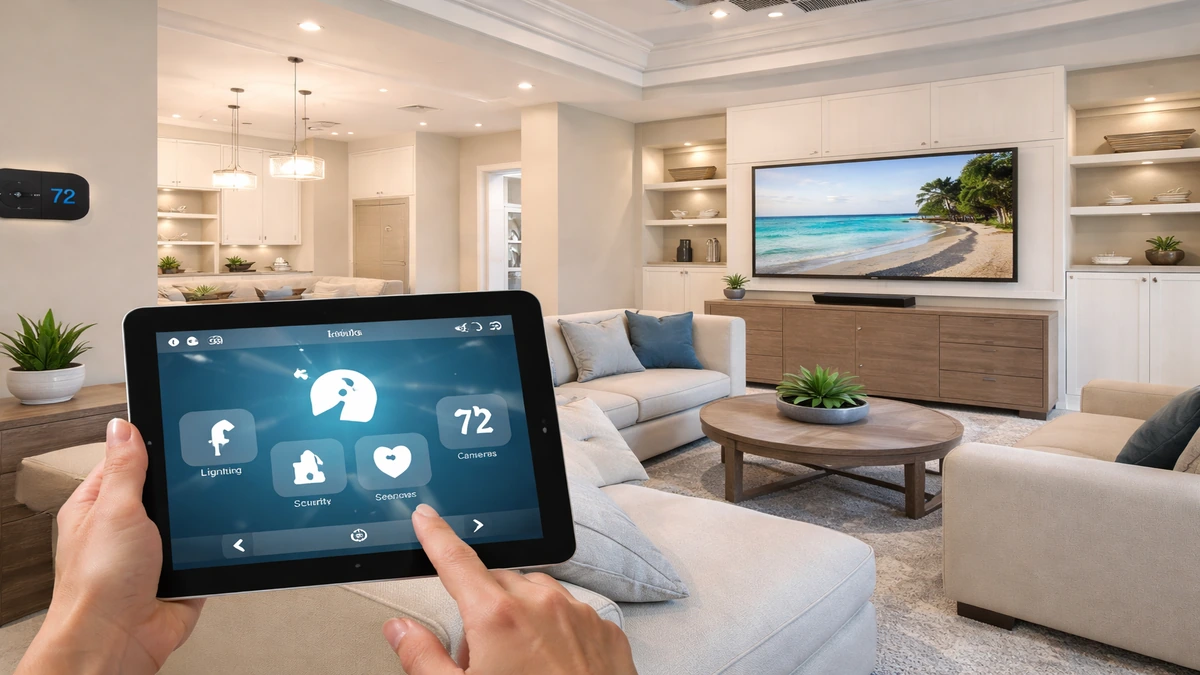
Smart Home Automation Installation
Integrated control for lighting, climate, security, and entertainment.
4 minutes
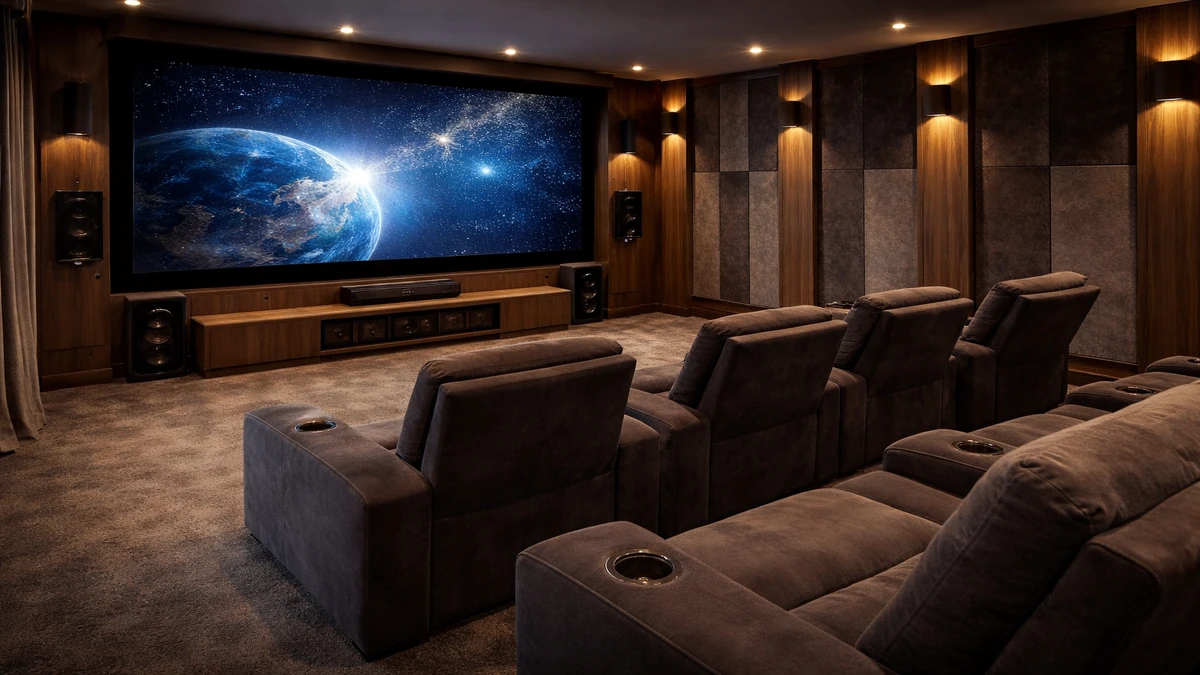
Home Theater Installation
Custom theater rooms designed for immersive picture, sound, and comfort.
4 minutes
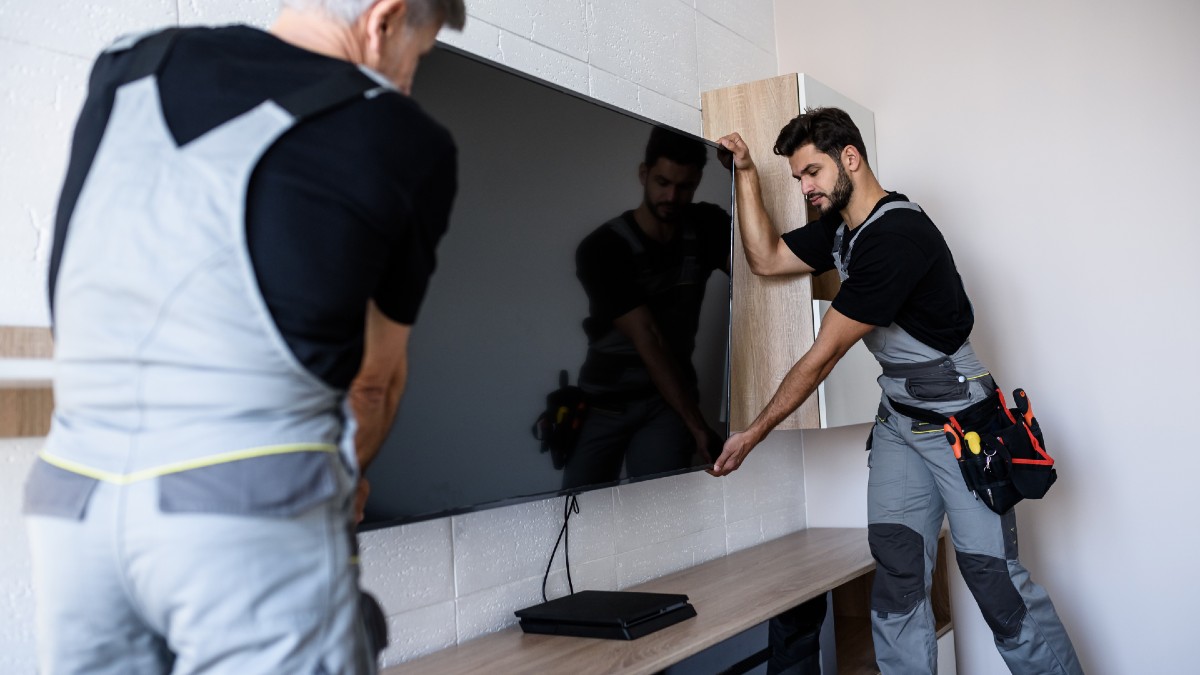
TV Wall Mounting
Professional TV mounting for cleaner layouts and better viewing angles.
5 minutes
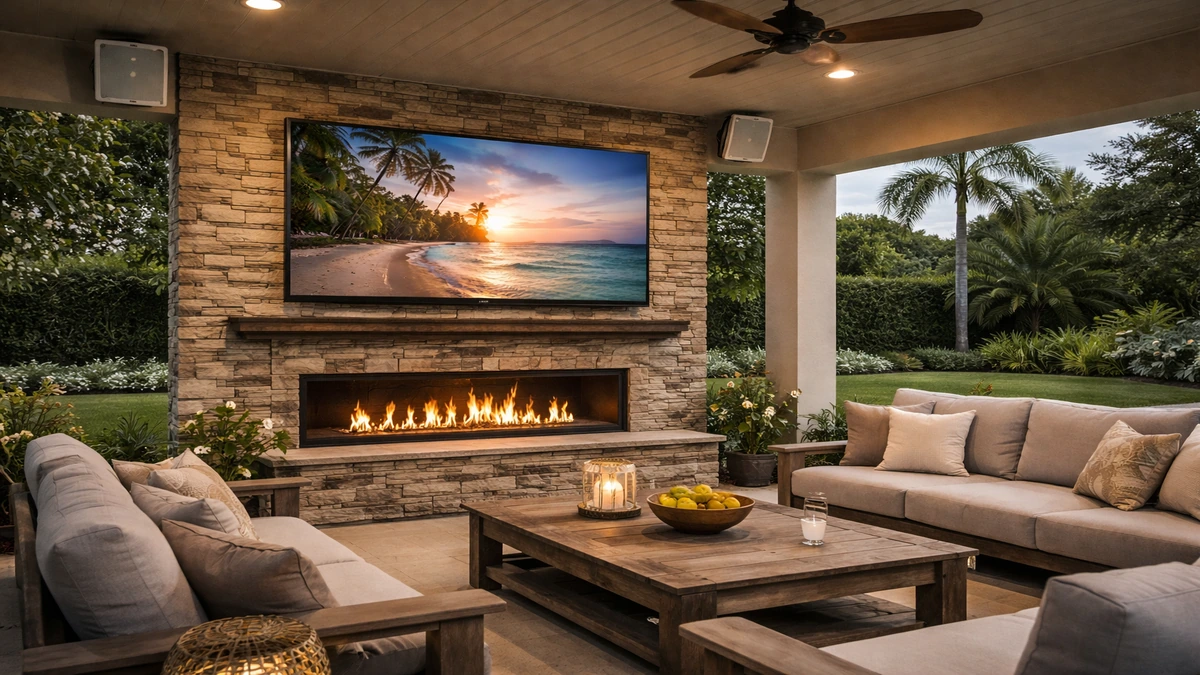
Outdoor TV Installation
Weather-aware outdoor TV setups built for patios, lanais, and pool areas.
5 minutes
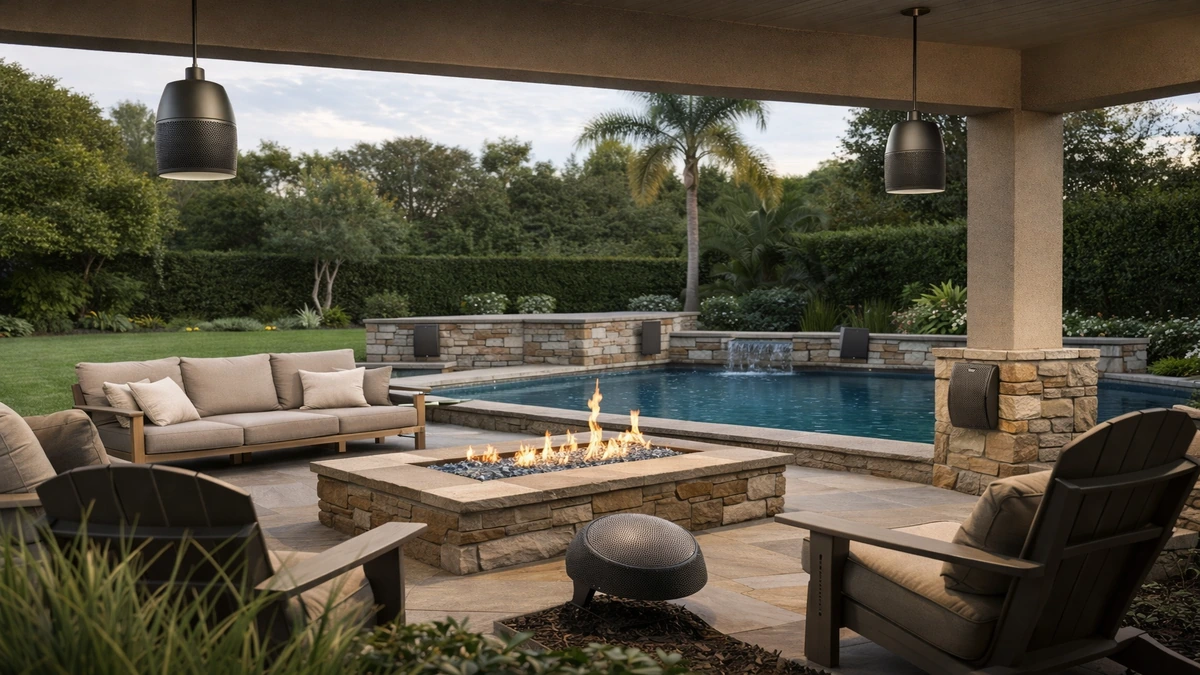
Outdoor Audio Installation
Outdoor speaker systems planned for clear sound and reliable coverage.
4 minutes
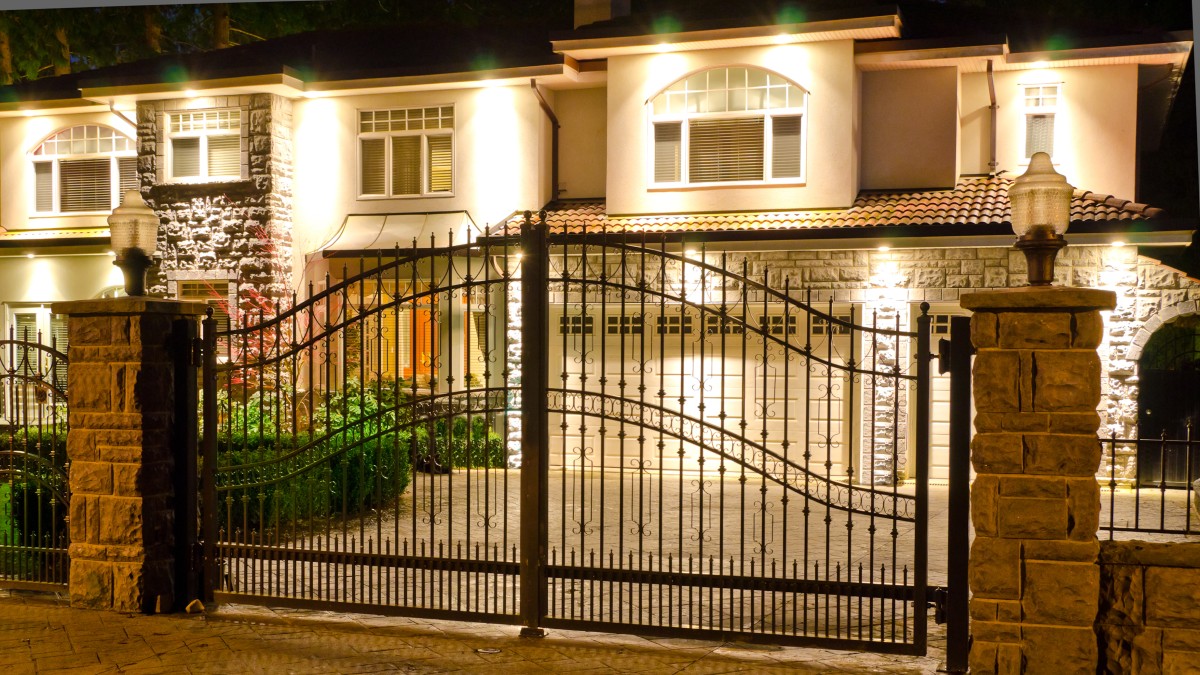
Automatic Gates
Secure, convenient gate automation with access control and entry integration.
4 minutes
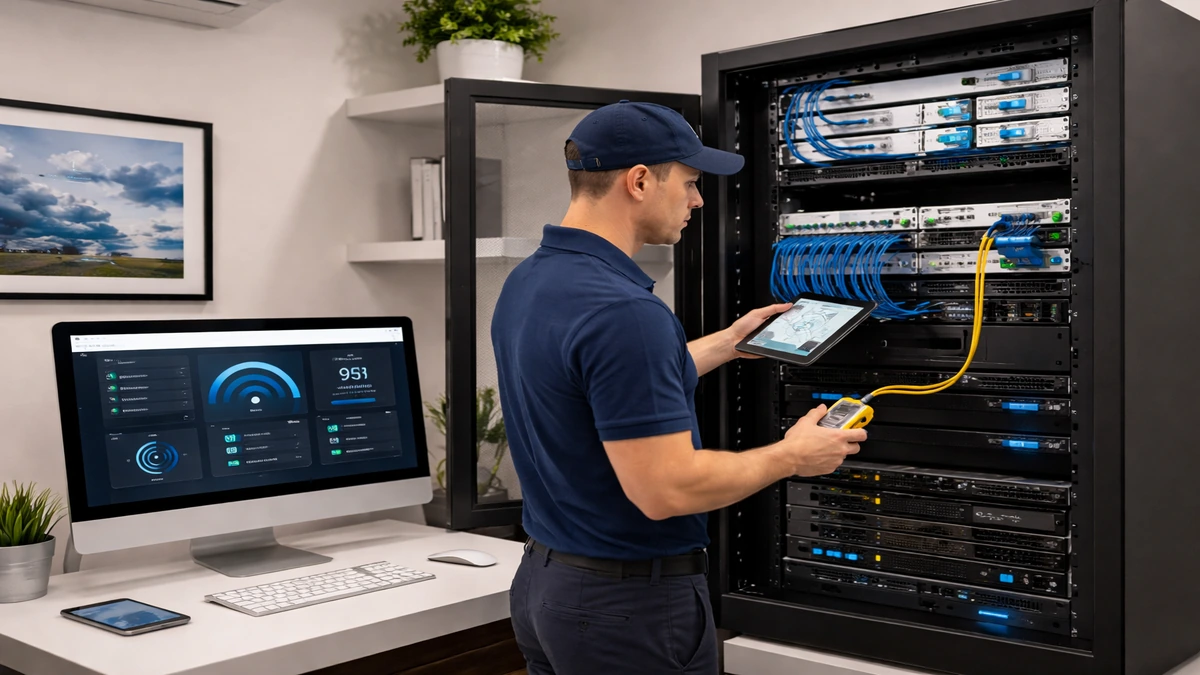
Home Network Installation
Stronger Wi-Fi, better coverage, and dependable connectivity throughout the property.
4 minutes
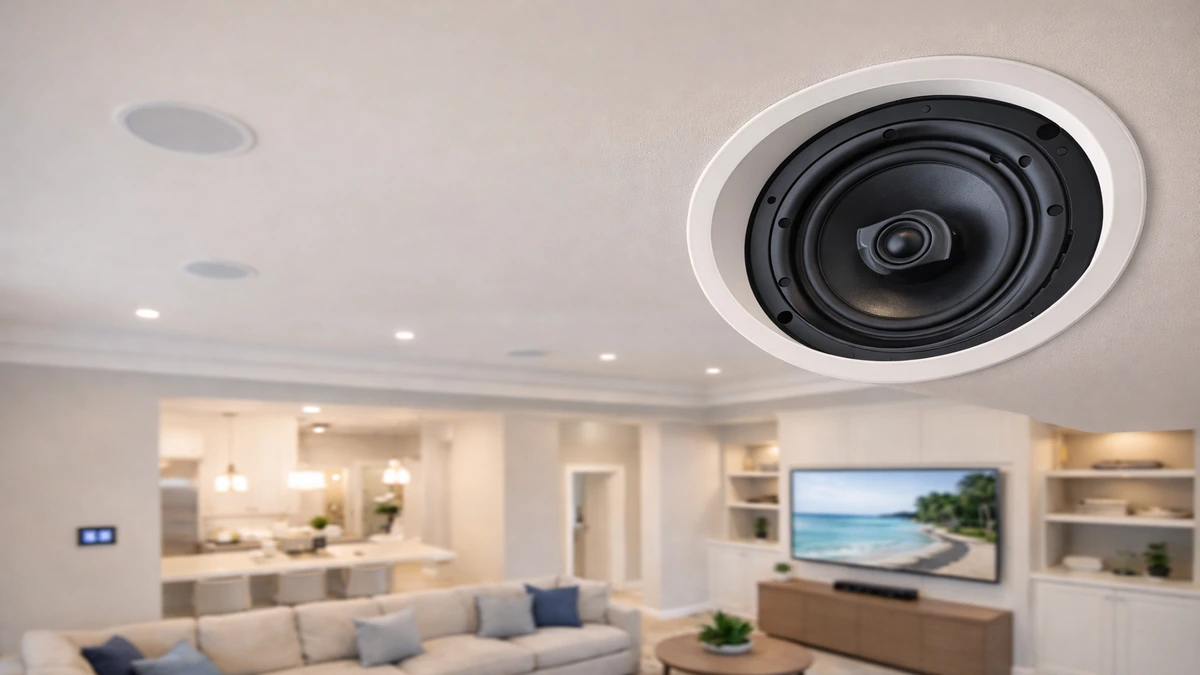
Ceiling Speaker Installation
Clean in-ceiling audio solutions for music, TV, and multi-room sound.
4 minutes
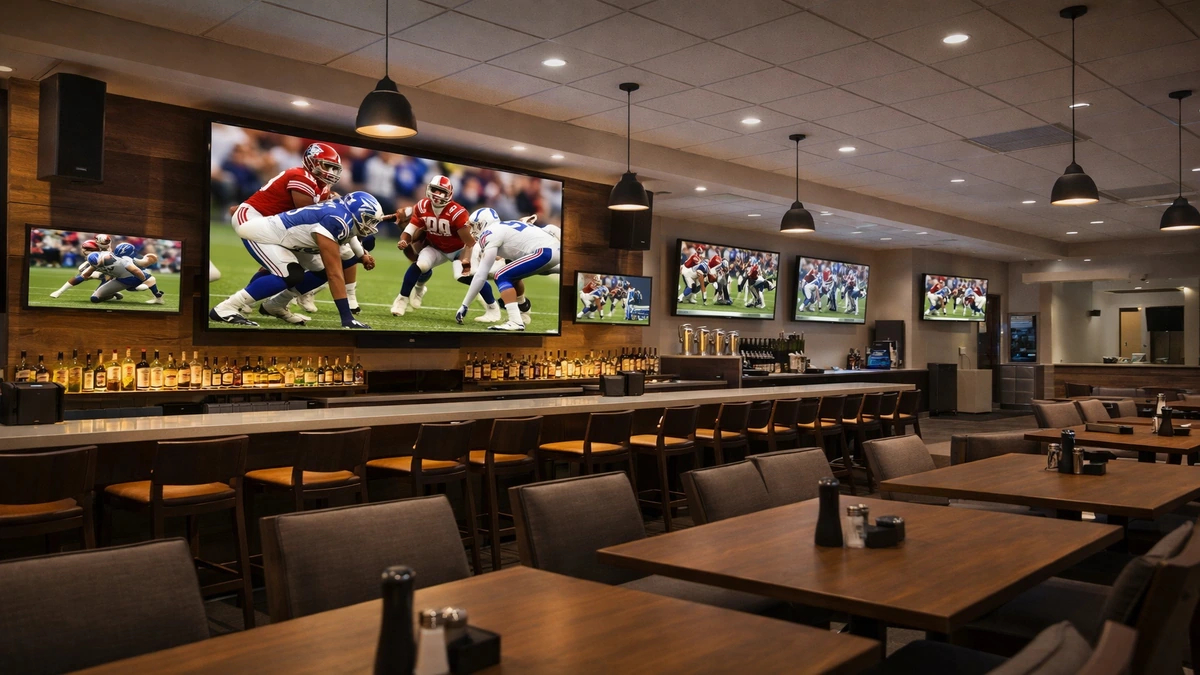
Commercial AV Installation
Professional audio, video, and control systems for business environments.
4 minutes
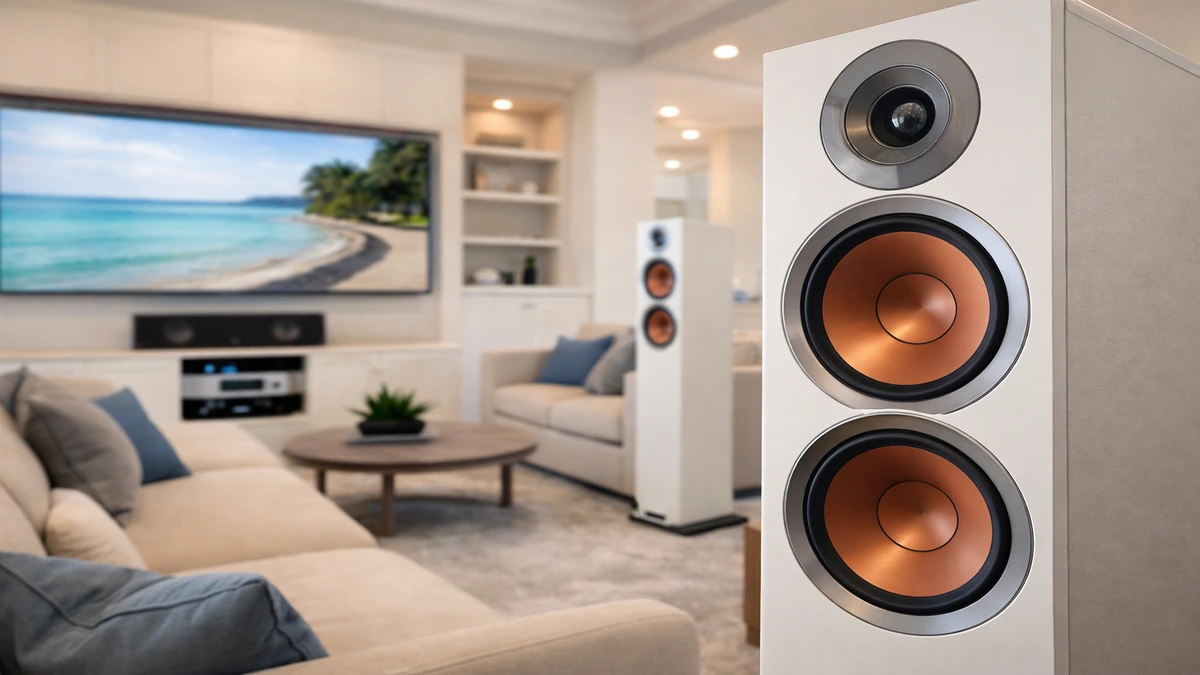
Home Audio Installation
Whole-home and room-based audio systems tailored to how you listen.
4 minutes
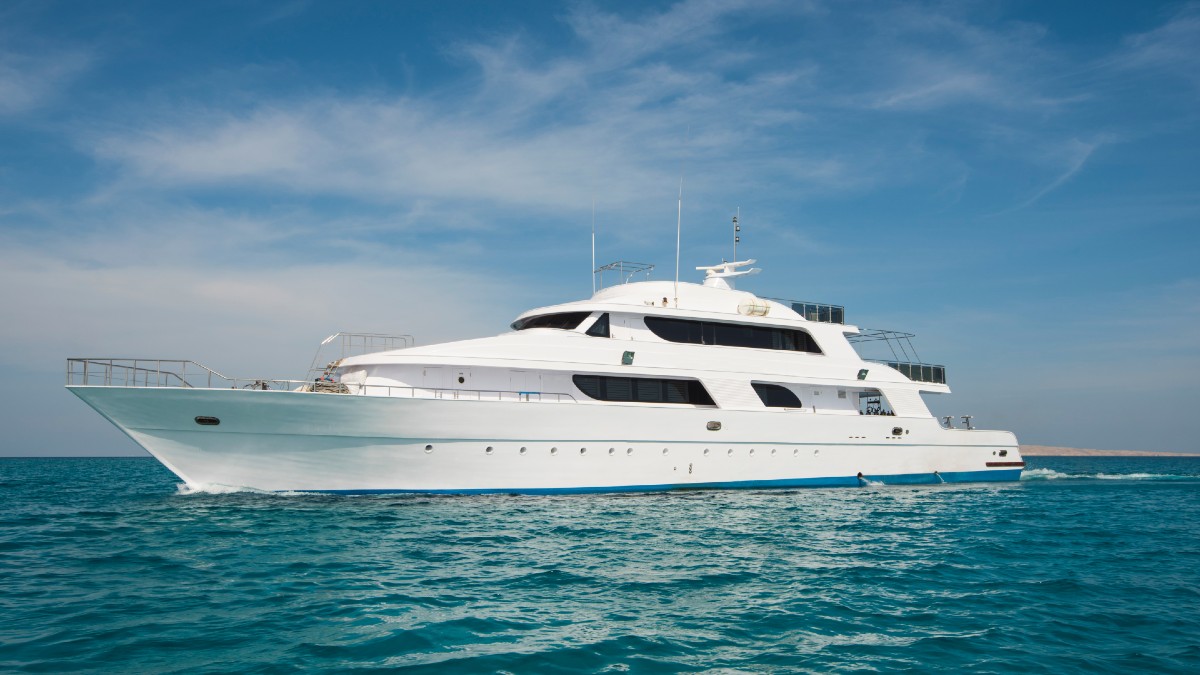
Marine Audio & Electronics Installation
Boat audio, displays, and electronics installed for performance on the water.
4 minutes
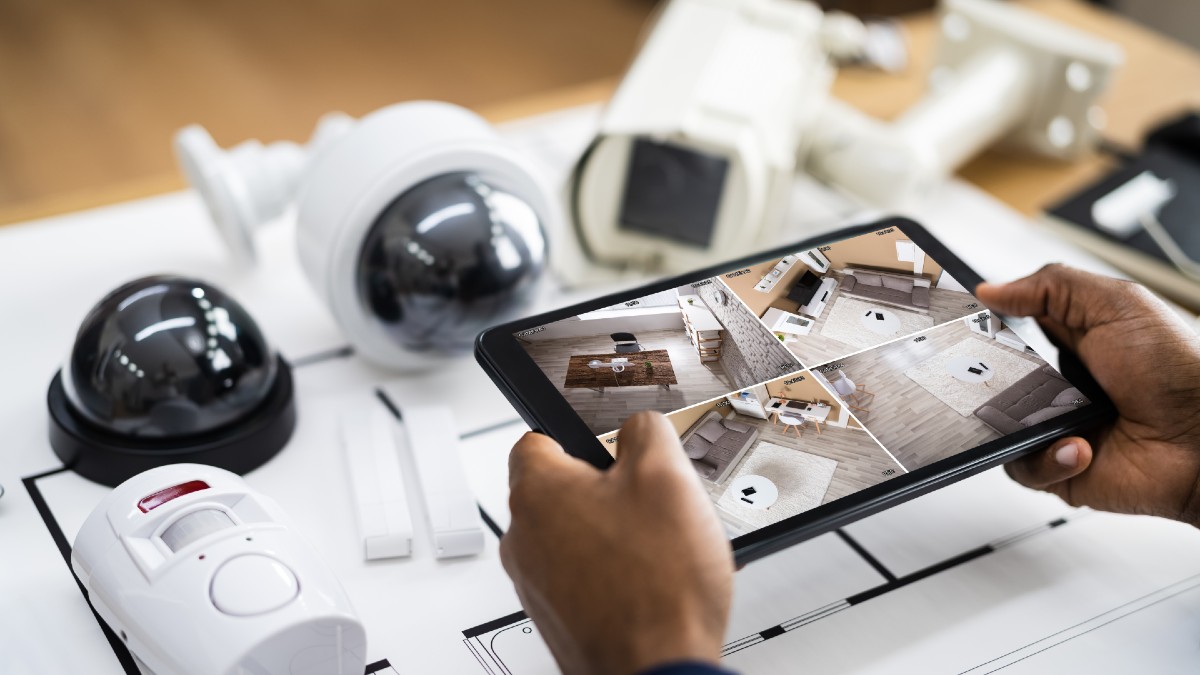
Security Camera Installation
Smart camera systems for visibility, alerts, recording, and remote monitoring.
4 minutes
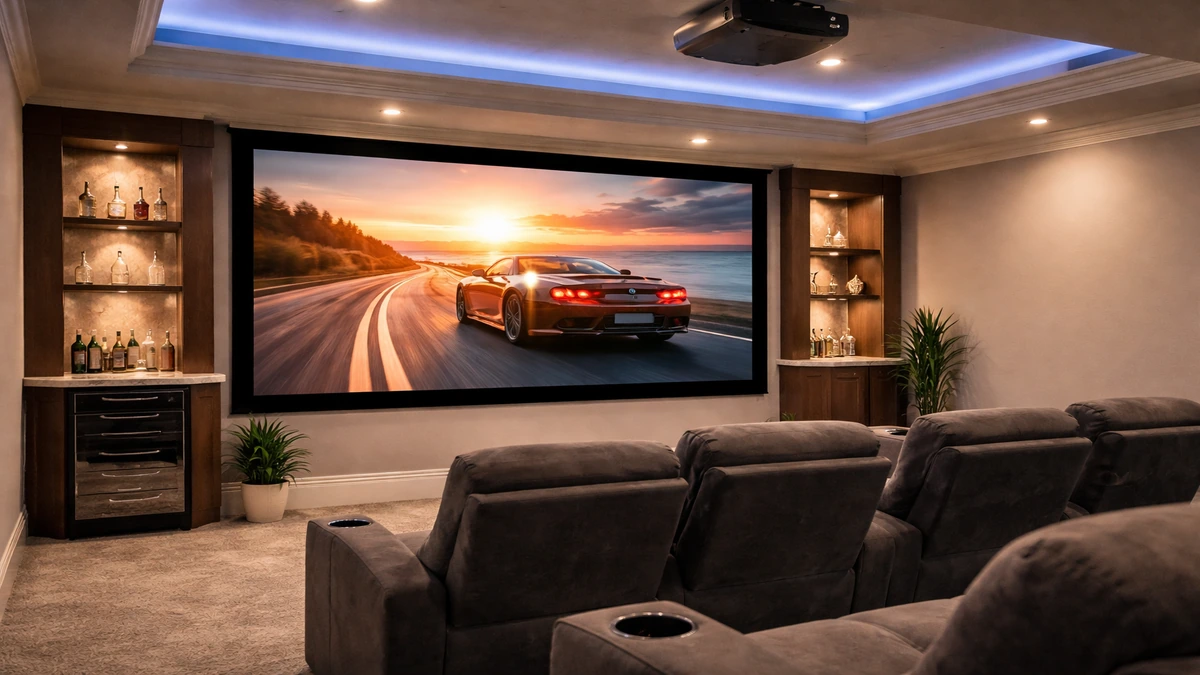
Projector Screen Installation
Projectors and screens configured for sharp viewing and balanced room performance.
4 minutes
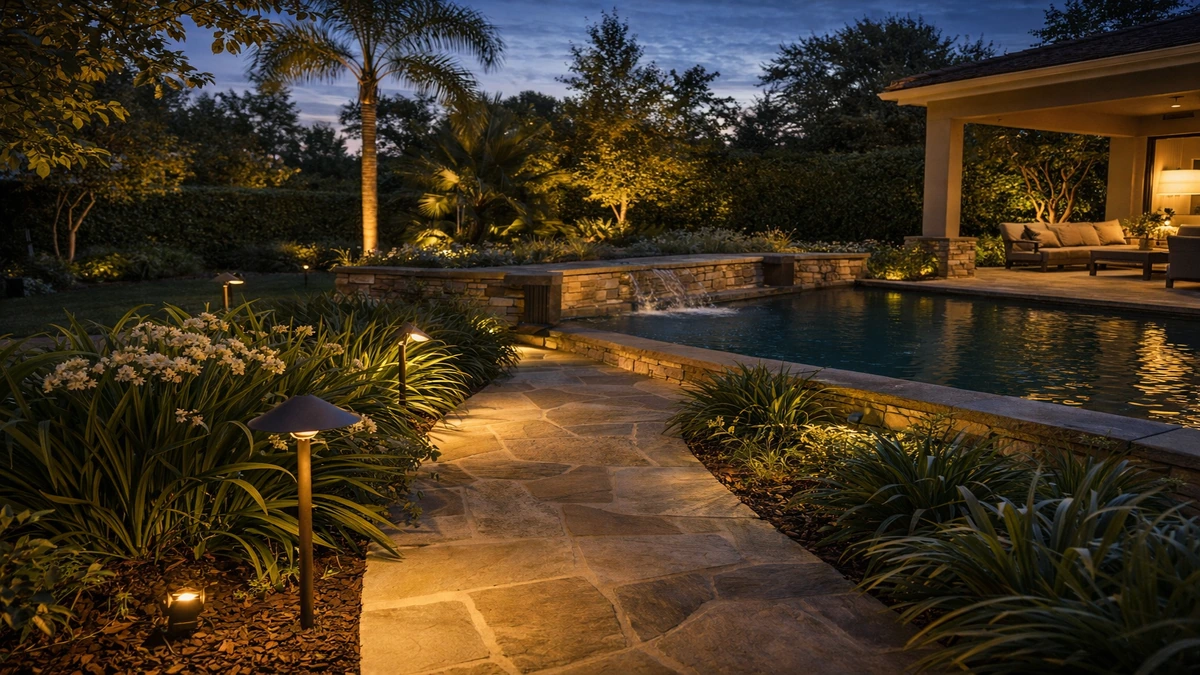
Outdoor Lighting Installation
Exterior lighting that improves curb appeal, ambiance, and nighttime usability.
4 minutes
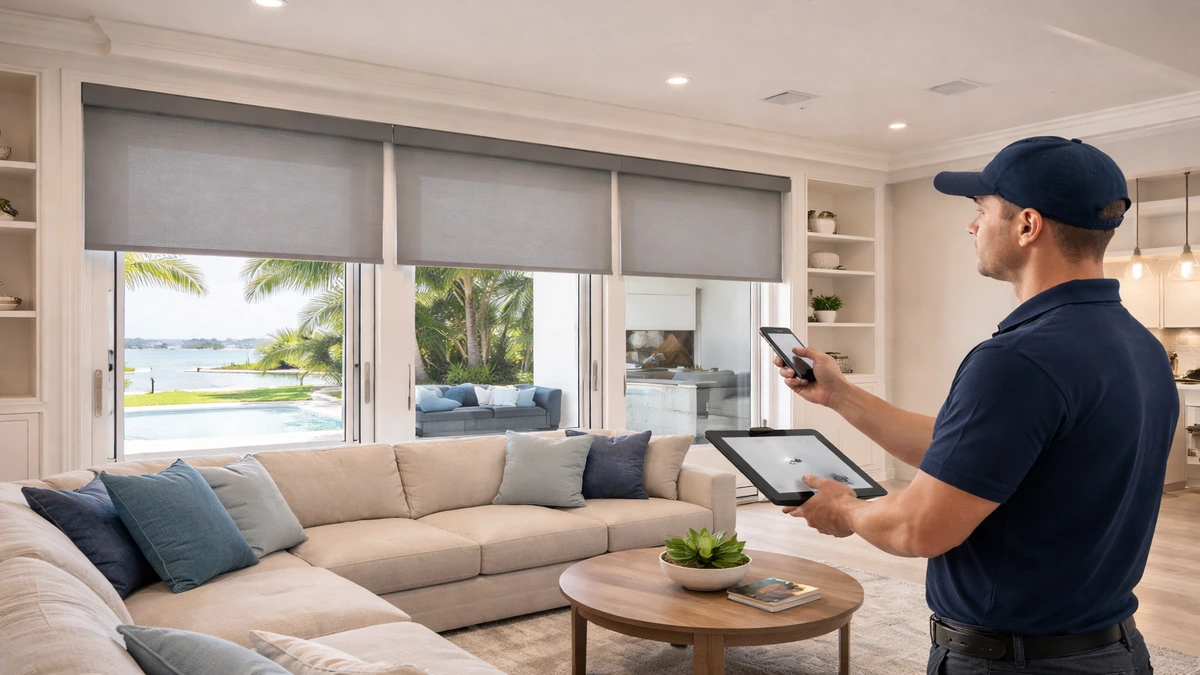
Motorized Blinds Installation
Automated shading for privacy, glare control, and everyday convenience.
4 minutes
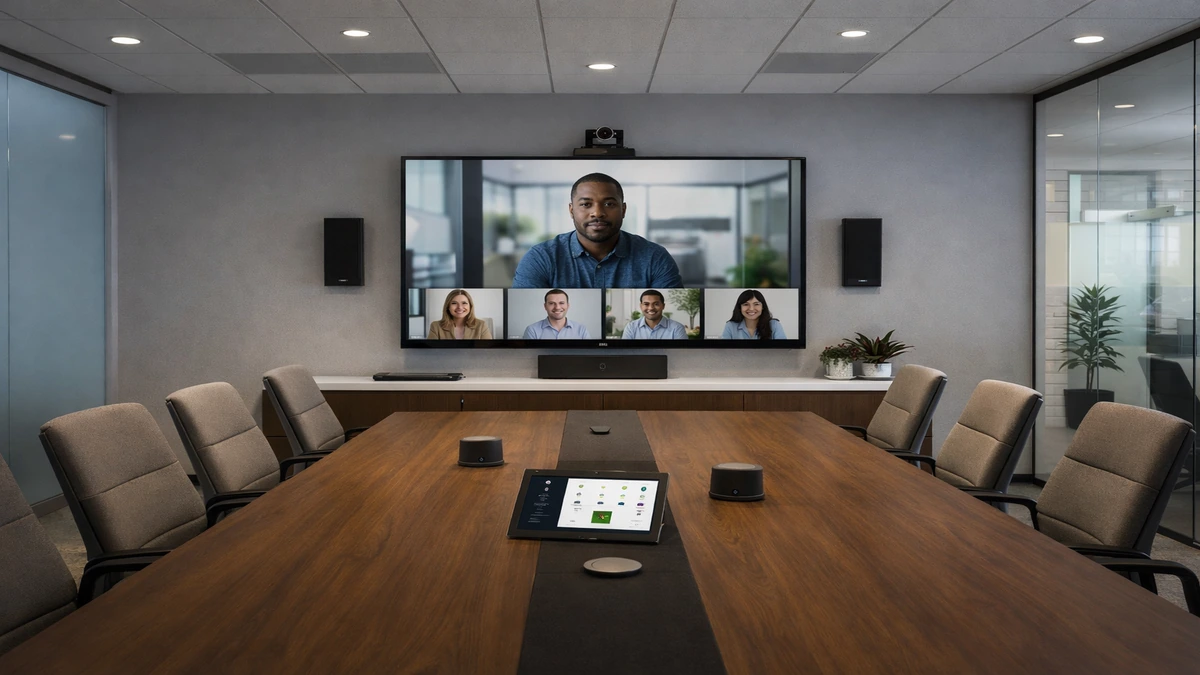
Conference Room AV Installation
Meeting room technology for clearer presentations, calls, and collaboration.
4 minutes
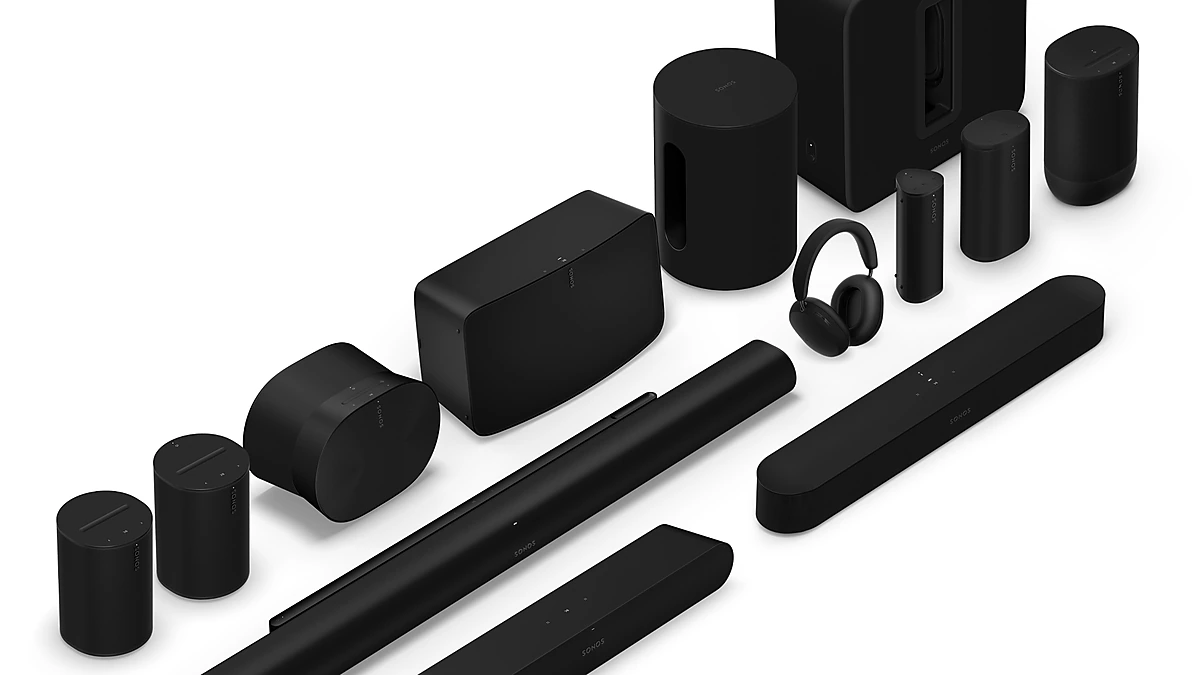
Sonos Installation
Sonos system design, setup, and tuning for simple multi-room audio.
4 minutes
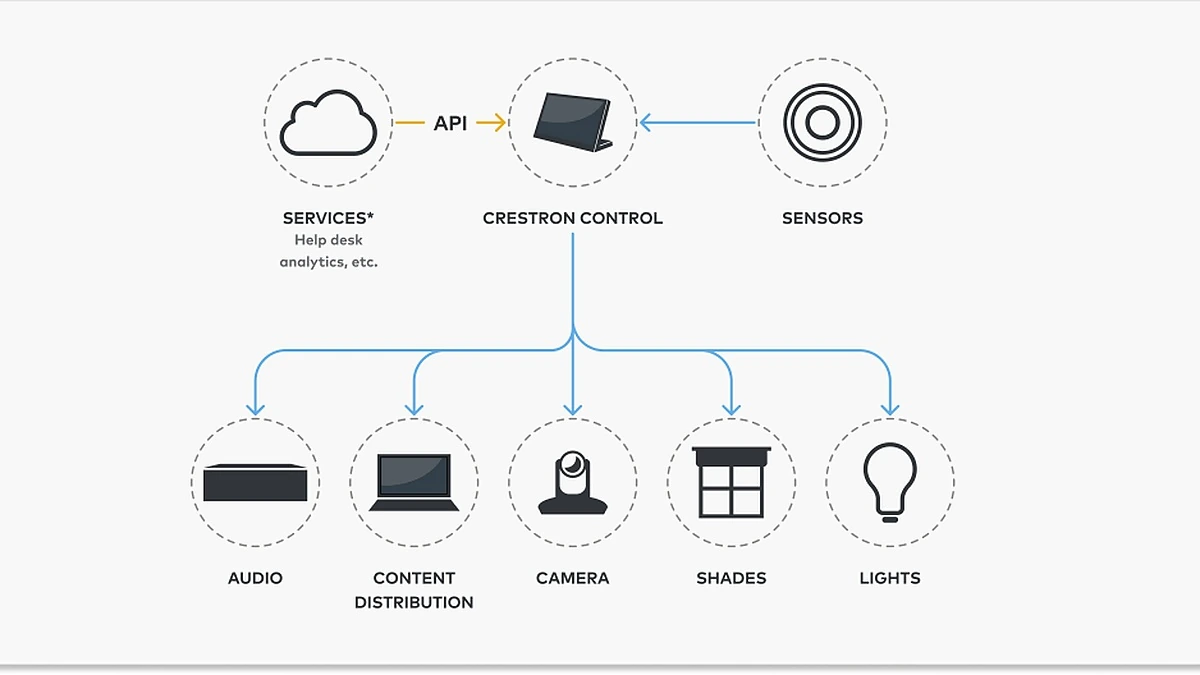
Crestron Installer
Advanced Crestron control integration for high-performance smart home environments.
4 minutes
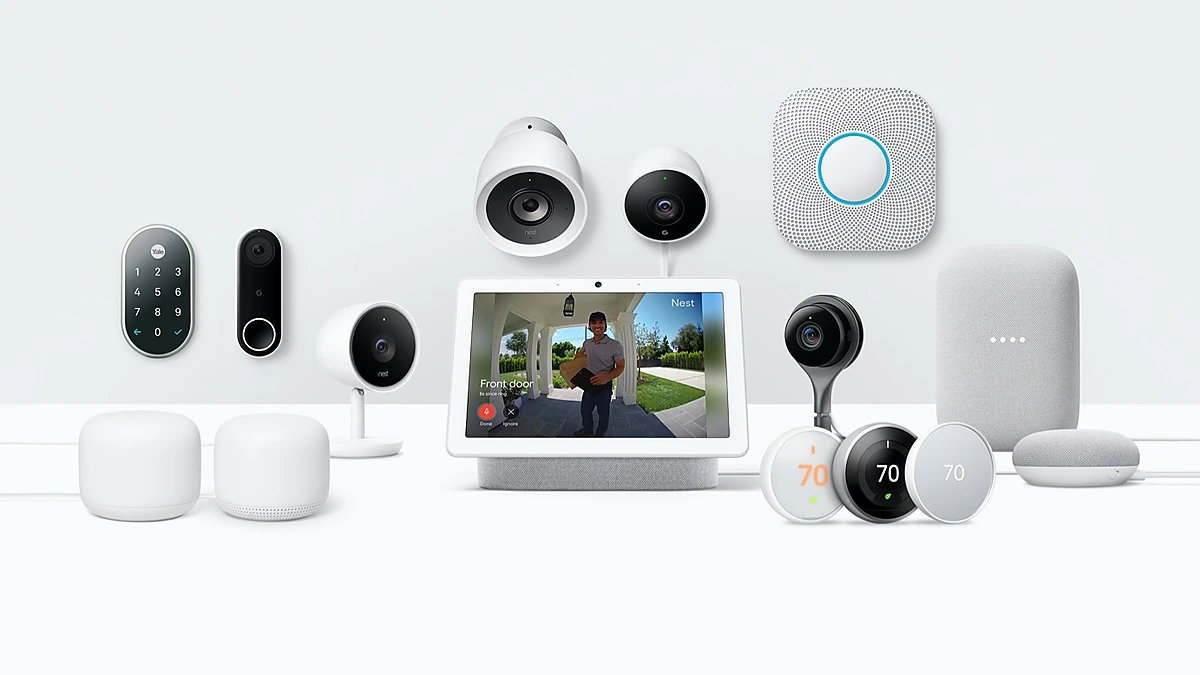
Nest Installer
Nest thermostat and smart home setup for comfort and remote control.
4 minutes
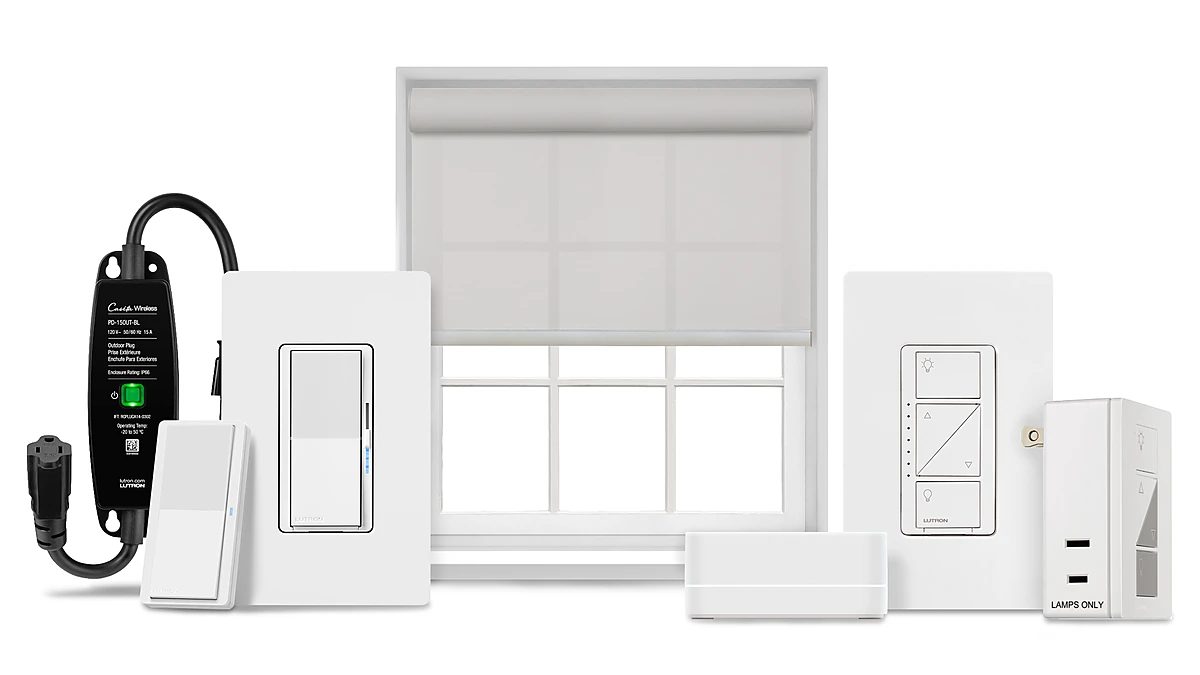
Lutron Installer
Lutron lighting and shading integration for smoother control and scene setting.
4 minutes
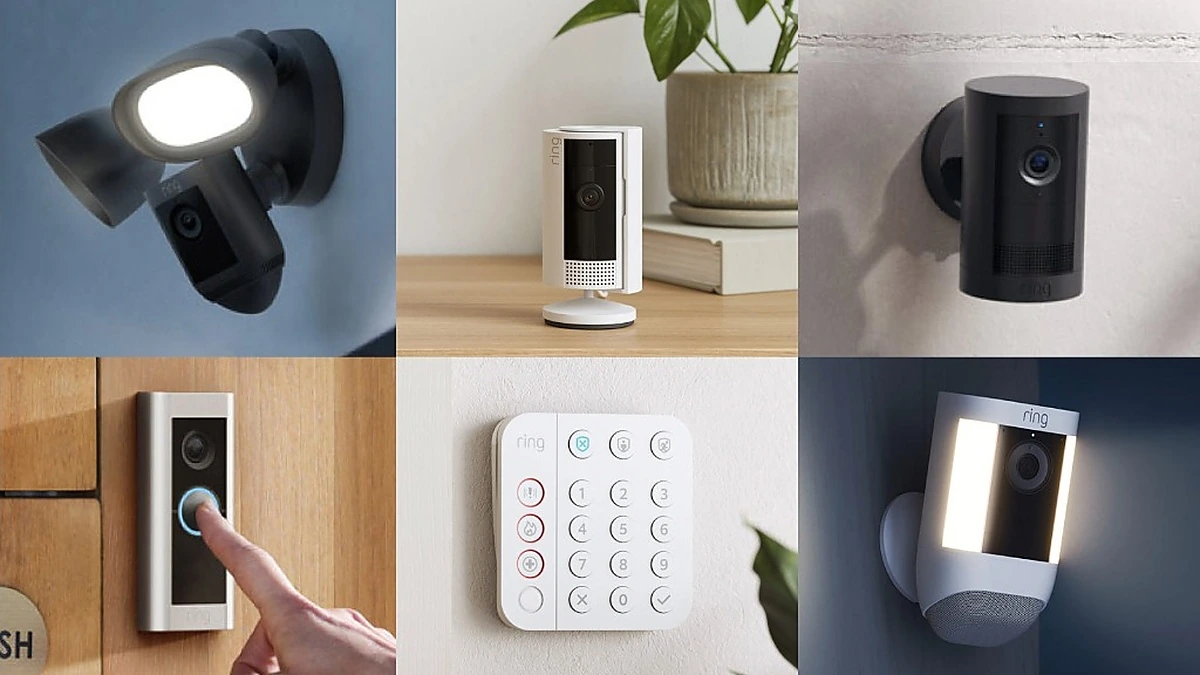
Ring Installation
Ring doorbells and cameras installed for better awareness and entry visibility.
5 minutes
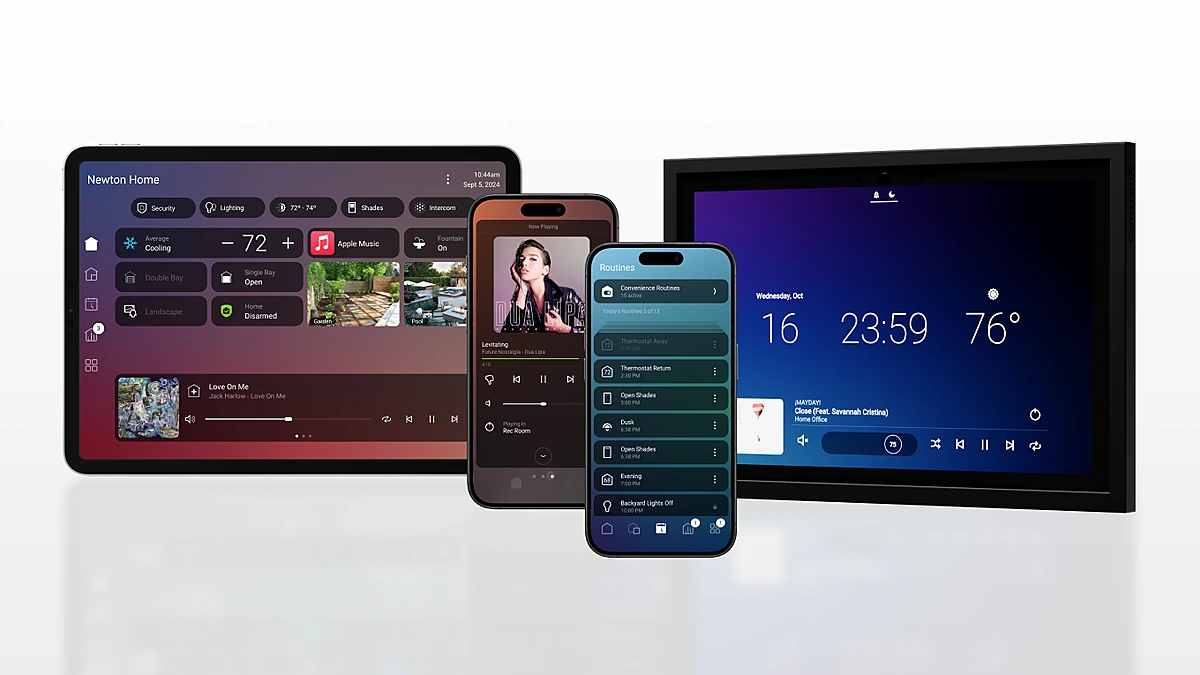
Control4 Installer
Control4 automation setup for unified entertainment, comfort, and home control.
4 minutes
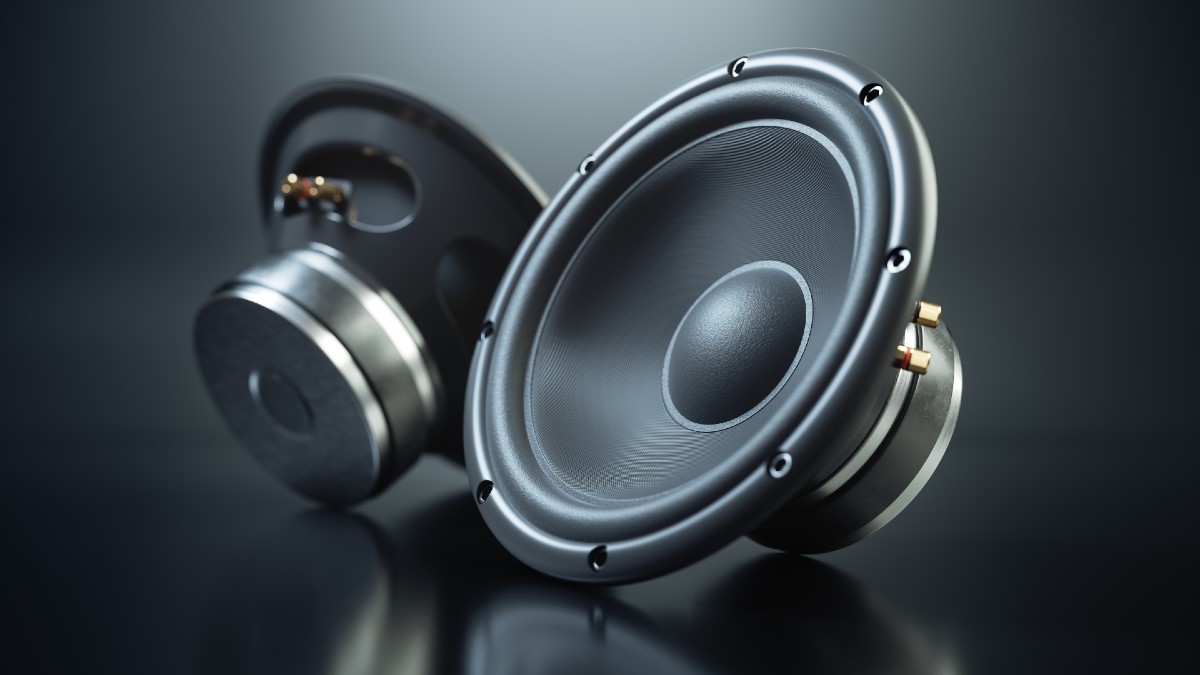
Car & Truck Audio / Electronics Custom Upgrades
Custom mobile audio and electronics upgrades for better sound and functionality.
3 minutes
Aventura has towers and almost nothing in between
Aventura has 27,014 homes, and 21,792 of them are in buildings of fifty units or more. Only 2,047 sit in buildings of twenty to forty-nine, and 1,381 are detached houses. That shape matters more than the totals do. There is no walk-up middle here, so the compromise that carries a project in a three-storey building — a short riser, a soffit, a ceiling void somebody can climb into — is not the local condition. Almost every route of consequence in this city is long, it is vertical, and it runs through construction shared with other homes.
So a survey here has three answers to bring back before a layout is worth drawing. Where the building's low-voltage pathway terminates on your floor, and how much room is left in it. Whether the home has a ceiling void anywhere, or a structural slab directly overhead. And which internal walls can be opened and closed again to the standard the rest of the home is held to. One address does not settle the next, either: this housing went up steadily from the seventies through the two-thousands, four decades each contributing several thousand homes, so a building here differs from its neighbour more often than the skyline suggests.
In a stacked building the theater is an acoustics problem first
A theater or a serious listening room in a tower is bounded by something no specification sheet mentions: what the structure does with low frequency. Low frequencies move through construction as readily as through air, and a subwoofer sitting hard on a floor slab couples straight into it. So placement, whether the cabinet is decoupled from the floor, and where the seating sits in relation to both are design decisions taken at the start rather than adjustments made at the end. Together they decide whether the room performs at the volume it will actually be used at, which is the only volume worth designing for.
In-ceiling placement meets the same fabric. Where a void exists above the ceiling, speakers can go where the room wants them and the run disappears. Where the ceiling is the underside of the floor above, they cannot, and the honest options are a dropped section built for the purpose, in-wall placement instead, or a layout that puts the sound where the structure permits and arranges the seating around it. All three are reasonable answers. Finding out which one applies after the design has been agreed is what turns a straightforward installation into a negotiation nobody budgeted for.
Nearly a third of these homes are not occupied at all
Only 17,618 of Aventura's homes are occupied. Of everything standing empty, 88.4% is held for seasonal, recreational or occasional use, which comes to 8,303 homes. And most of the occupied stock is lived in by its owners. So the typical system here is not handed on to a stranger. It is left, and then returned to, by the same household. That changes the test it has to pass: not how well it demonstrates on the day of handover, but what it does on the first evening back after several months in which nobody has touched it.
Half of that test is physical, and it is the half most often skipped. Equipment shut inside a closed apartment for months wants somewhere with real airflow and somewhere a person can get to without dismantling a wardrobe, because a rack in a sealed cupboard is a heat problem long before it becomes a service problem. Ventilation and access are cheap to arrange while a home is still being planned and awkward to retrofit afterwards, and between them they decide whether the system is still in good health when somebody walks back in.
The other half is what happens with nobody present. A system should return to a working state on its own after a power event, and it should be able to tell you that a device stopped answering in July rather than saving that up for your arrival. And whoever is in the home while you are not — a guest, a family member arriving first, somebody letting in a contractor — will use the two or three things that are obvious and ignore everything else. So the obvious things had better be the right ones, on a keypad that says what it does.
Which gives a clear order for a home in this stock. Establish the pathway and what it will carry before anything is chosen. Decide the acoustic approach and the speaker positions against what the structure allows rather than against a drawing. Give the rack air and a door somebody can open. Settle the handful of controls that have to work untaught. The equipment comes last, because it is the only part of the system that can be changed later without opening the building.